Posted on

Case Study: 80mm Diameter Hole in Cast Iron Wastewater Drain Pipe Repair at Hospital

80mm hole in a cast iron wastewater drain pipe undergoes repair with SylWrap HD Pipe Repair Bandage

15 minute drain pipe repair gets hospital bathroom out of a potential hole

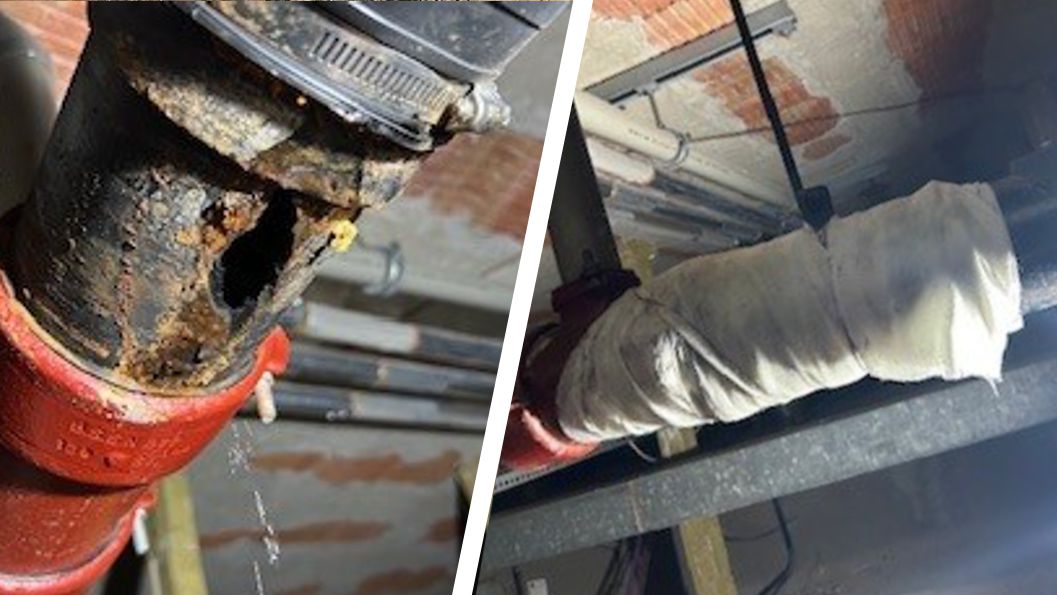
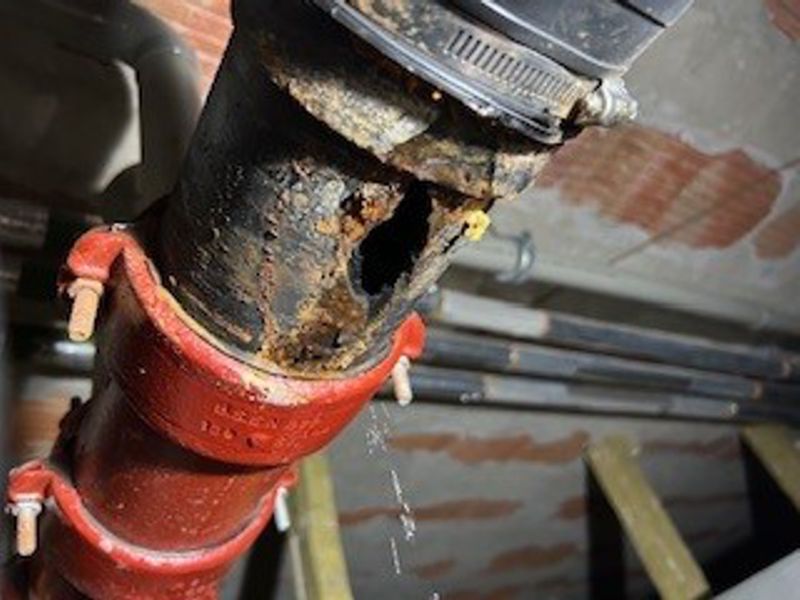
An 80mm diameter hole in a cast iron drain pipe through which wastewater leaked out whenever a hospital bathroom was used is permanently sealed in a repair which needed the facility to close for just 15 minutes.

Case Study Data


Site
Hospital
Location
United Kingdom
Repair Type
No pressure pipe repair
Defect
80mm diameter hole in cast iron drain pipe

Products Used


Superfast Steel Epoxy Putty
Fast-working epoxy putty filled with steel which bonds to all pipe materials for sealing holes and cracks

SylWrap HD Pipe Repair Bandage
Composite repair wrap with water activated resin sets rock hard to form a thick, impact resistant sleeve

SylWrap Drain & Waste Pipe Repair Kit
Kit kept on-site containing all the products needed for instant repair of cast iron and plastic drain, waste and soil pipes

Case Study PDF


Case Study Details


The cast iron drain pipe ran horizontally in a roof space between two floors at the Victorian-era hospital. It was connected to a bathroom shared by multiple wards, handling wastewater from baths and sinks.

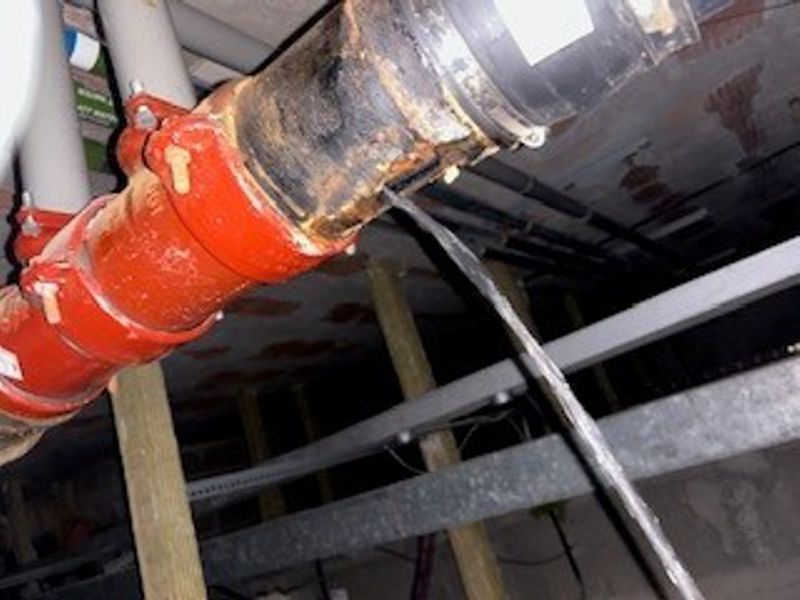
Corrosion caused a large 80mm hole to appear in the pipe. Whenever wastewater was expelled from the bathroom, significant amounts would pour out from the hole.

Not only was this causing damage inside the roof space, but it also posed a health risk. If the pipe could not be sealed immediately, the bathroom would have to be shut until a repair or replacement took place.

This would likely have taken a long time because of the potential bureaucracy involved and with many NHS trusts in England and Wales struggling to afford repairs or upgrades to their crumbling estates.

Thankfully, the hospital maintenance team were equipped with a SylWrap Drain & Waste Pipe Repair Kit. The Kit contains multiple products for sealing cracks and splits in cast iron and plastic drain, waste and soil pipes.

It comes in a robust red case which is easy to store on-site. As soon as the roof space leak was discovered, the maintenance team simply retrieved their Drain & Waste Kit and used the materials inside the seal the hole.

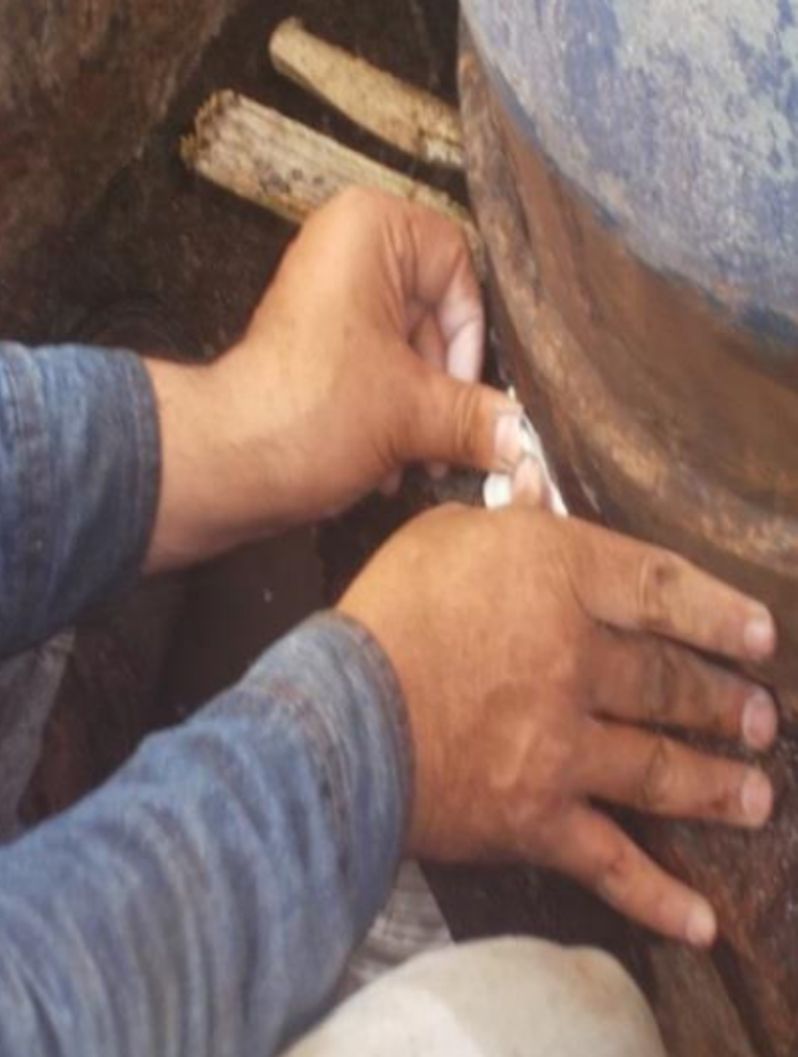
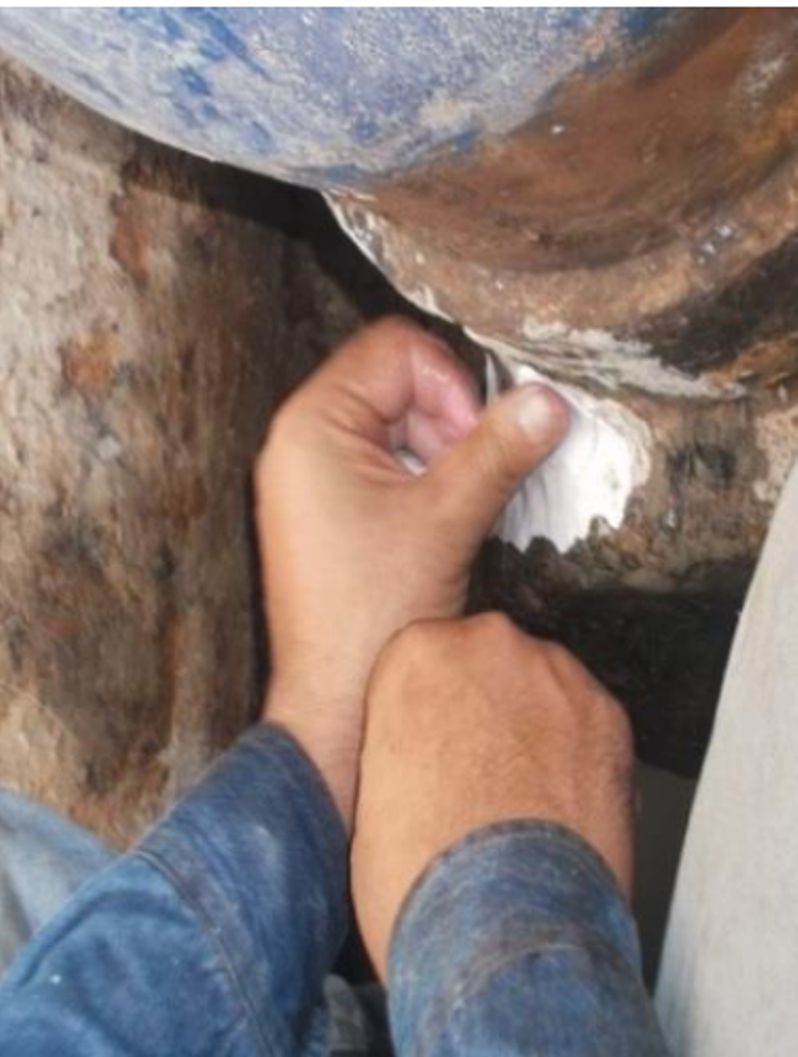
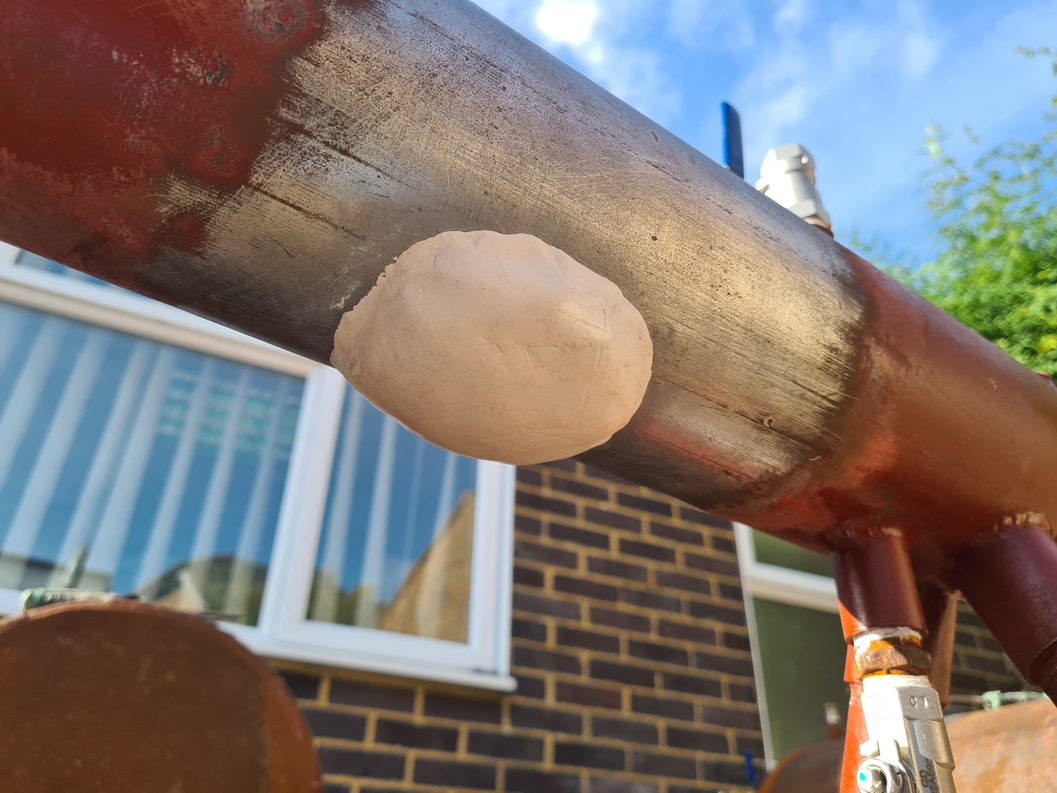
Superfast Steel Epoxy Putty was kneaded by hand and formed into a 110mm diameter disc, ensuring total coverage of the hole around all sides.

Whilst soft, the mixed Superfast Steel disc was positioned over the hole and pressed onto the pipe for maximum contact. The edges were firmly pushed into place and smoothed off to form a strong bond with the surface of the pipe.

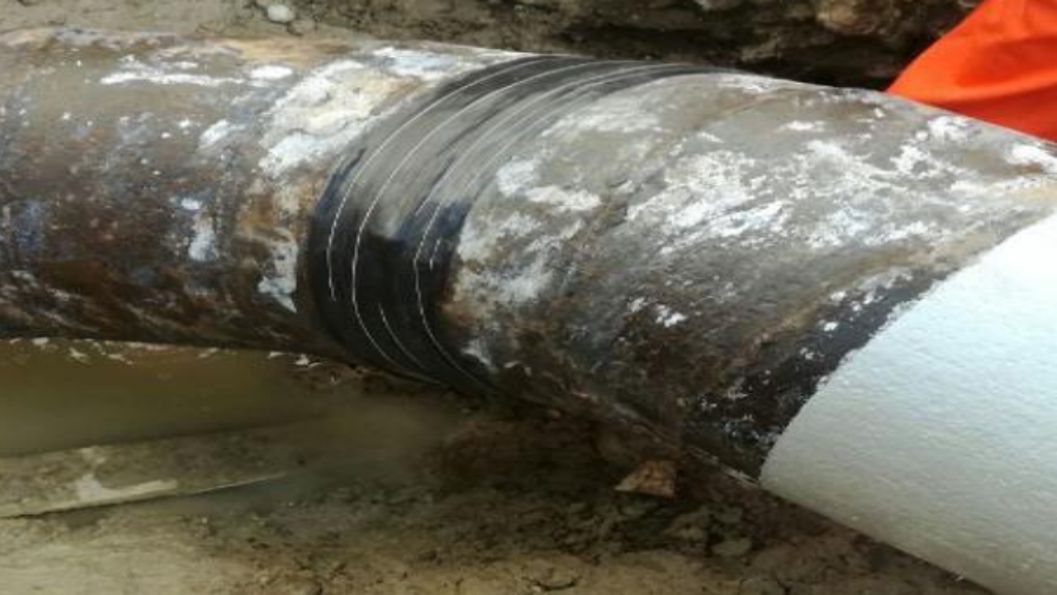
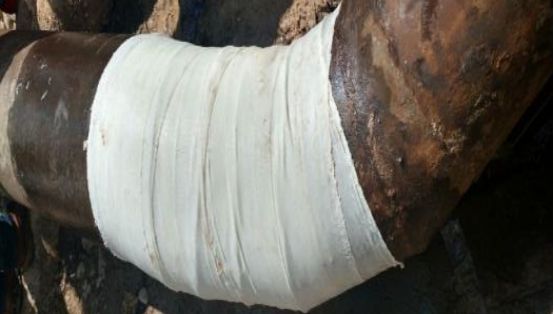
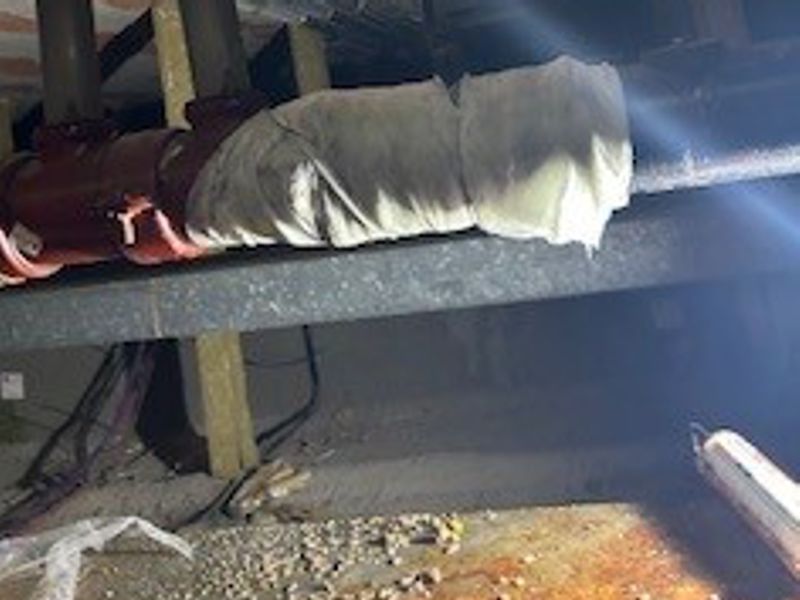
Before the putty had fully hardened, SylWrap HD Pipe Repair Bandage was applied on top. The resin was activated using water and SylWrap HD wrapped and smoothed around a 300mm area with the hole at its centre.

SylWrap HD forced the gelled Superfast Steel further into the hole for a more effective seal. Within 10 minutes of mixing, the epoxy putty cured to form a material as hard as steel covering the hole.

The bandage began curing as soon as it was activated, needing less than five minutes to set. It provided an impact resistant protective sleeve around the entire pipe for a reinforced, permanent repair.

With the bathroom only needing to be shut for 15 minutes whilst the drain pipe hole repair took place, there was limited disruption to patients.

An inspection of the roof space several weeks later revealed no sign of leakage despite heavy use of the bathroom. The application had been a complete success with wastewater now fully contained.

If you have an application you would like to enquire about, then please get in touch

Call: +44 (0)1444 831 459
Email: sales@sylmasta.com
Posted on

Case Study: Protection of Underwater Gas Pipe Network Laid Through River System

SylWrap HD Pipe Repair Bandage gives protection to an underwater gas pipe network running through the river system in Scotland

SylWrap pipe protection programme prevents gas pipelines across the Scottish river network from sleeping with the fishes

SGN and Sylmasta devise a pipe protection programme for underwater gas pipelines laid through the river network in Scotland after riverbed scour and erosion left them exposed and vulnerable to damage.

Case Study Data


Site
River network
Location
Scotland
Repair Type
Pipe reinforcement
Defect
Exposed gas pipes in rivers left vulnerable to impact damage

Products Used


SylWrap HD Pipe Repair Bandage
Composite repair wrap applied to submerged pipes which set rock-hard to form an impact resistant outer layer 6mm thick

Case Study PDF


Case Study Details


Large sections of the gas pipe network in Scotland run through river and stream beds. Whilst these pipes are well buried during installation, changing conditions within waterways can still lead to exposure by riverbed scour and erosion.

Riverbed scour occurs when gravel, sand and rocks are washed away by fast-flowing water. The problem is intensified during floods, where rising water levels increase the speed of rivers and streams.

With climate change making extreme weather events more frequent, Scottish gas distribution company SGN have seen a sharp rise in the number of riverbed pipes on their network becoming exposed.

This poses a serious challenge. Without the covering and protection provided by the gravel and sediment of the riverbed, pipes are left open to impact from other debris carried by the water.

Such exposure increases the chances of surface damage which weakens the pipeline. Enough damage over time or from one big impact with a heavy object leaves the pipe at risk of being breached.

The problem of exposed pipes in riverbeds shows no signs of going away. Winter rainfall levels in Scotland increased by 19 percent in a decade between 2010-2019 compared to 1961-1990.

Knowing even more of their gas network will become exposed by riverbed scour in future years, SGN contacted Sylmasta looking for a protection method which could be applied to any submerged pipe in any river across Scotland.

Sylmasta recommended the use of SylWrap HD Pipe Repair Bandage. SylWrap HD is a composite wrap with a water-activated resin which sets rock hard in minutes to form an impact resistant protective sleeve around pipework.

Before SylWrap HD could be used on the gas network, it had to receive several approvals from relevant industry bodies. This was handled by SGN with the process fast tracked through the system because of the importance of the project.

SylWrap HD also had to receive authorisation from the Scottish Environment Protection Agency before it could be used in natural waterways. SEPA tested SylWrap to ensure it would not impact or pollute the environment in any way.

Sylmasta then flew to Scotland to provide technical support for SGN with initial trial repairs, made to an exposed pipe in a shallow river around one-metre deep.

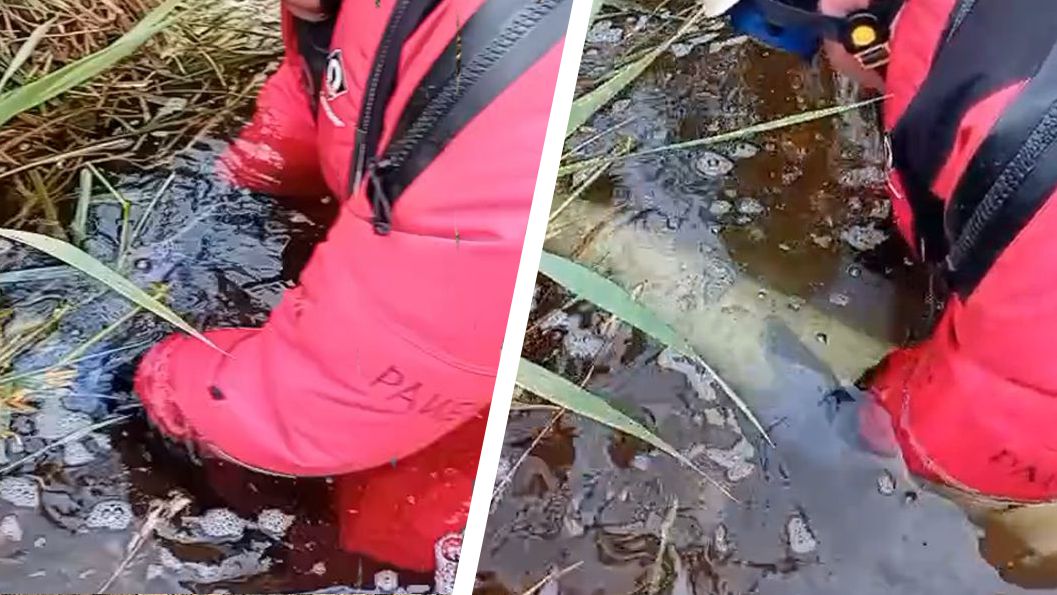
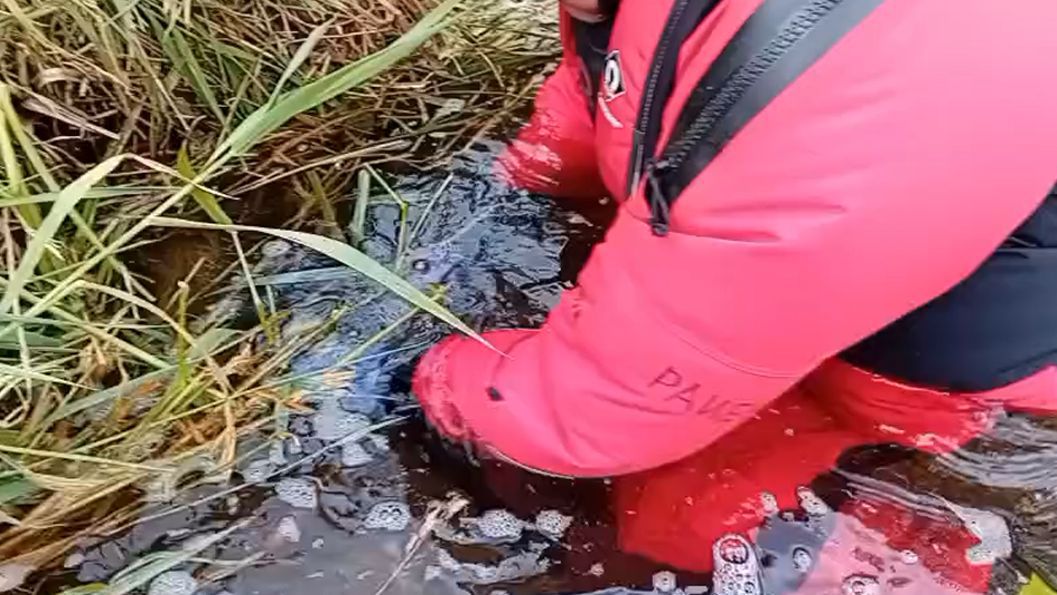
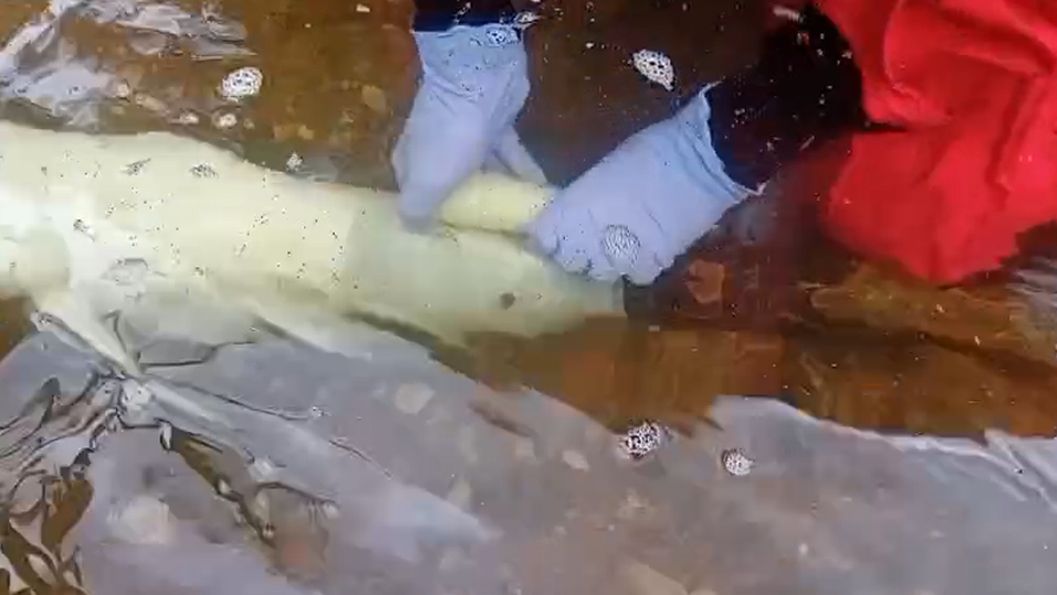
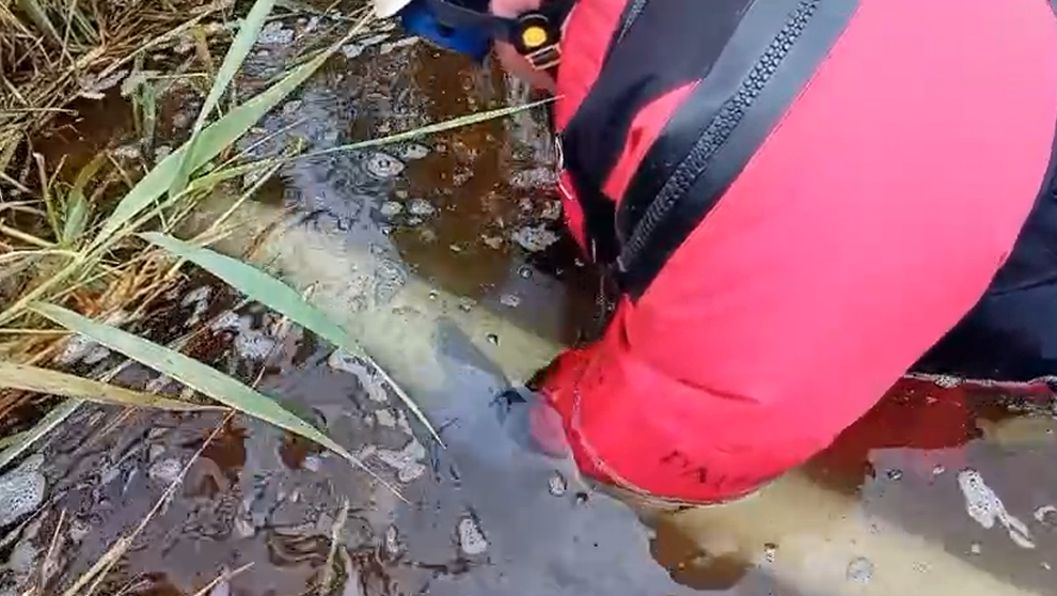
Contractors entered the water and applied SYL616HD Bandages along the entire length of gas pipe. As soon as SylWrap HD was submerged, the resin began working.

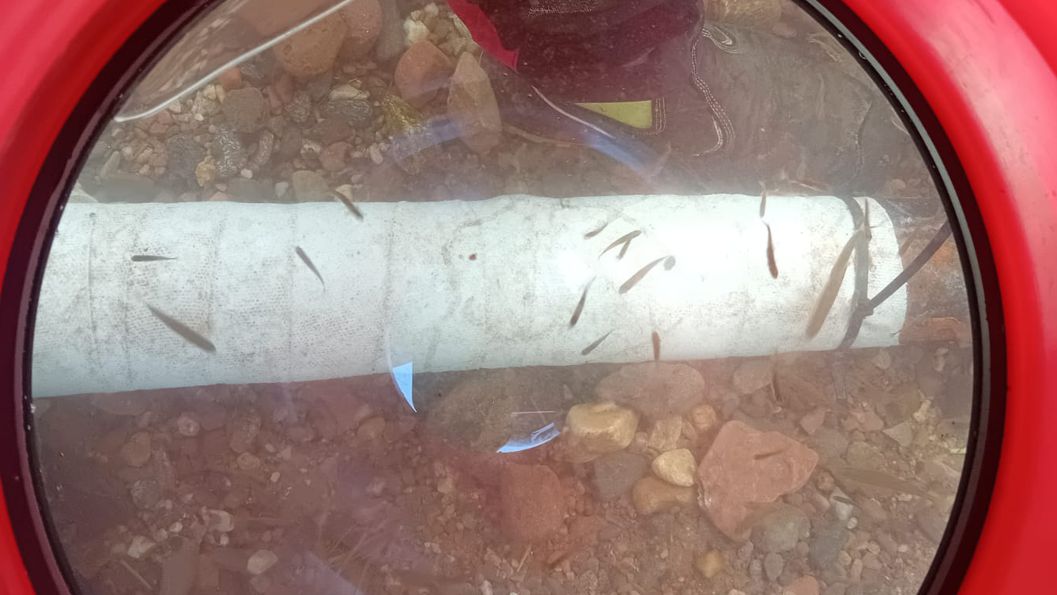
The contractor worked quickly to wrap the bandage in a six layer repair. SylWrap HD easily cured underwater within minutes. Once set, it formed a 6mm thick shell protecting the pipe against future impact damage.

Several different exposed pipes ended up being protected with SylWrap HD during the trial, including one in an area where visibility was made difficult due to reeds from a bank. At one point, a number of fish even swam around a newly-wrapped pipe to see what was going on.

SylWrap HD posed no danger to those fish or any other wildlife living in the river, as certified by SEPA. The bandage also has WRAS approval, meaning it has been approved as safe to use on pipes carrying drinking water.

After the trial, one SGN contractor described working with SylWrap HD as “an absolute dream”. SGN were particularly pleased with how quick and easy SylWrap is to apply, as it would allow them to cover potentially hundreds of kilometres of pipework at a fast rate compared with alternative products.

SGN subsequently ordered over 500 SYL633HD Bandages for the river pipe protection programme to start immediately, helping to maintain the integrity of the Scottish gas network for years to come.

If you have an application you would like to enquire about, then please get in touch

Call: +44 (0)1444 831 459
Email: sales@sylmasta.com
Posted on

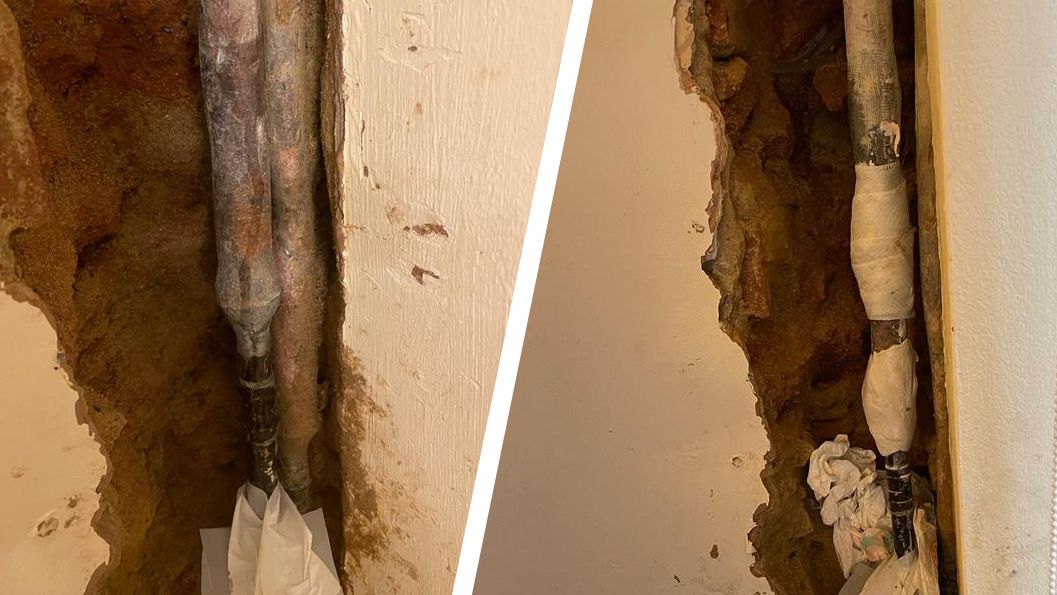
Case Study: Homeowner DIY Repair of 25mm Lead Water Pipe Leaking Inside House Wall

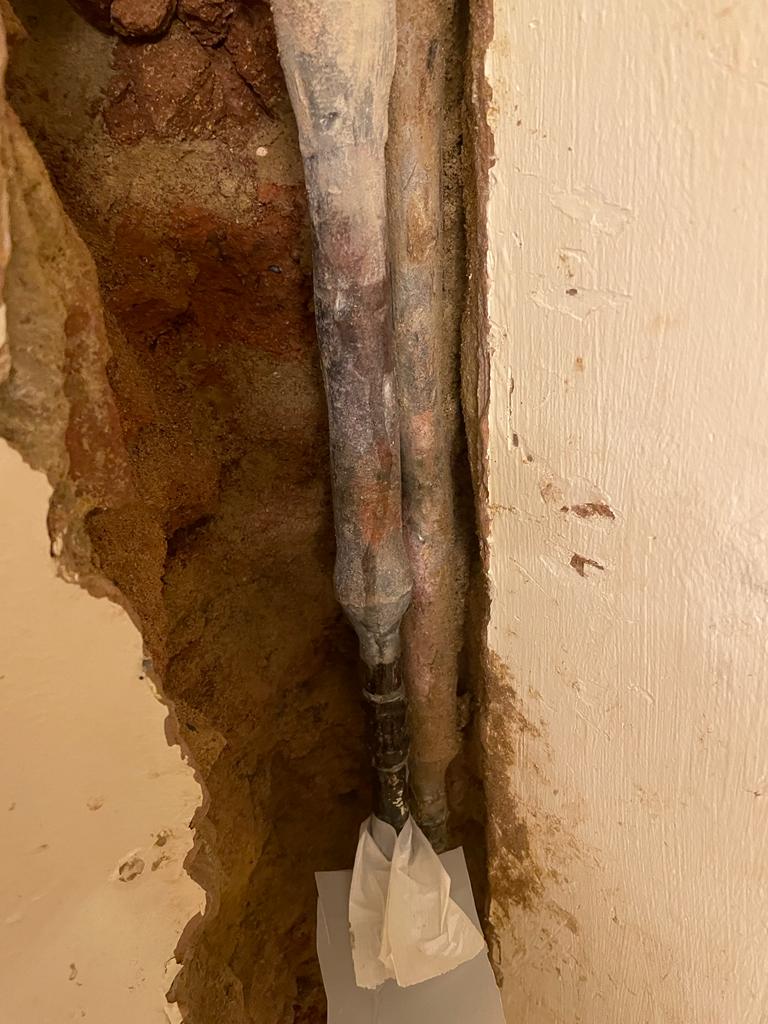
A leaking 25mm vertical lead water supply pipe inside a wall of a house is sealed with a SylWrap Universal Pipe Repair Kit

Behind the wall – a leaking lead pipe repair prevents water damage until future replacement of the system

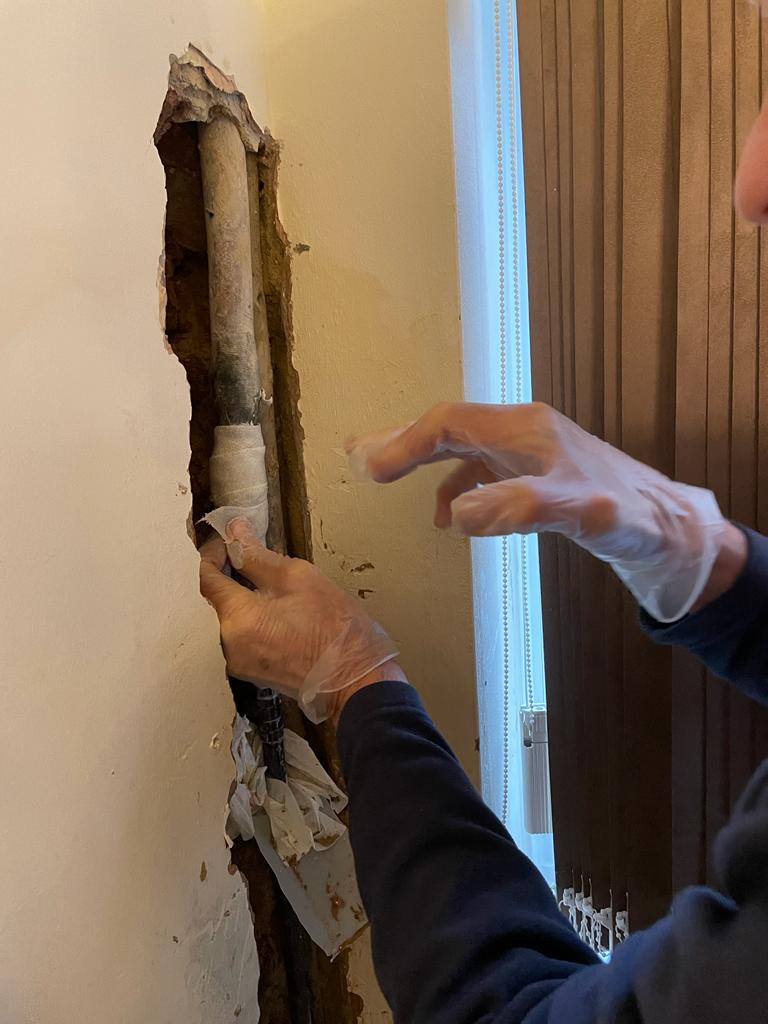
A homeowner in the United Kingdom makes a DIY repair to a vertical 25mm lead water pipe leaking inside the wall of their house by cutting away the drywall and using a SylWrap Universal Pipe Repair Kit.

Case Study Data


Site
Domestic property
Location
United Kingdom
Repair Type
No pressure pipe repair
Defect
Leaking 25mm lead water supply pipe inside wall

Products Used


Wrap & Seal Pipe Burst Tape
Self-amalgamating repair tape which fuses to form a solid rubber band capable of sealing leaking lead pipes

SylWrap HD Pipe Repair Bandage
Composite repair wrap reinforced the repair by forming a rock hard, impact resistant sleeve around the pipe

SylWrap Universal Pipe Repair Kit
Wrap & Seal and SylWrap HD can be purchased together in the Universal Pipe Repair Kit

Case Study PDF


Case Study Details


Homes constructed in the United Kingdom before the 1970s were often built with lead water pipes. Lead was particularly popular for pipework within walls, being malleable enough to shape into long lengths and durable enough to withstand containment.

A homeowner in the south of England noticed discolouration to a white wall close to a window during winter. They initially put it down to condensation and damp from the window.

But when summer arrived and the wall remained wet, they became suspicious of a potential leak. The drywall was removed to access the cavity, where they found a 25mm lead pipe running vertically which was weeping water.

Long-term, the homeowner planned to remove the lead pipe because of the associated health risks. But whilst waiting for that to happen, they needed to repair the pipe inside the wall to prevent further water damage.

Water supply through the pipe could be turned off via the property’s external stopcock. Sealing an offline leak would normally mean using a SylWrap Standard Pipe Repair Kit.

However, the softness and oxidised surface of lead means epoxy putty struggles to adhere cohesively to it. Sylmasta therefore always recommend the SylWrap Universal Pipe Repair Kit for sealing lead pipes even when there is no pressure.

The Universal Kit comes with Wrap & Seal Pipe Burst Tape, which can repair lead because it is made from self-amalgamating silicone and bonds to itself more than the substrate.

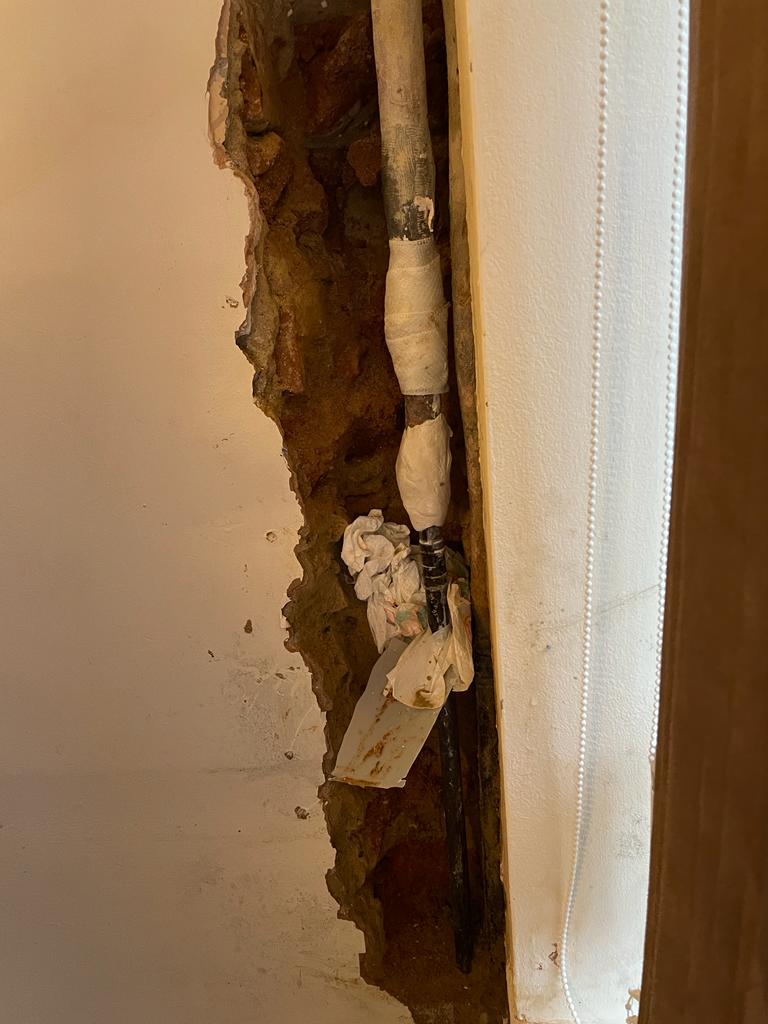
Despite the space constraints inside the wall, Wrap & Seal was successfully stretched by the maximum three times its length as it was wrapped around the leak area. This enabled it to fuse into a solid rubber band, exerting pressure over the leak to contain pipe content.

The repair was then overwrapped with a SylWrap HD Pipe Repair Bandage. The water activated resin turned the bandage rock-hard within minutes. It formed an impact resistant protective shell around the pipe for a reinforced repair.

Completing the application took under 20 minutes. Water supply to the house was turned back on and the lead pipe inspected regularly over the next two days for any sign of leakage. It remained bone dry, indicating a successful repair.

If you have an application you would like to enquire about, then please get in touch

Call: +44 (0)1444 831 459
Email: sales@sylmasta.com
Posted on

Case Study: Cast Iron Waste Pipe U-Bend Crack Repair Above Hospital Corridor

A cast iron pipe U-bend with a hairline crack at a UK hospital is sealed with a SylWrap Drain & Waste Pipe Repair Kit

Ladder-top repair stops leaking cast iron waste pipe driving hospital staff around the U-bend

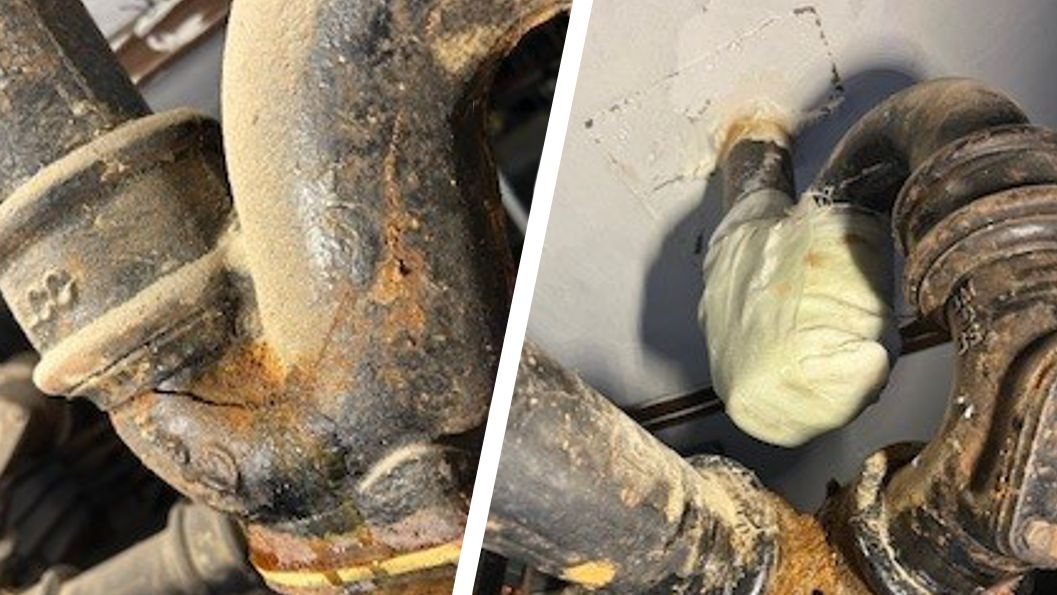
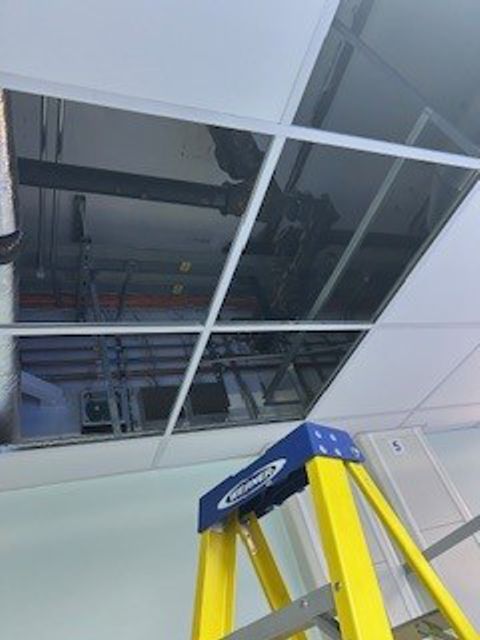
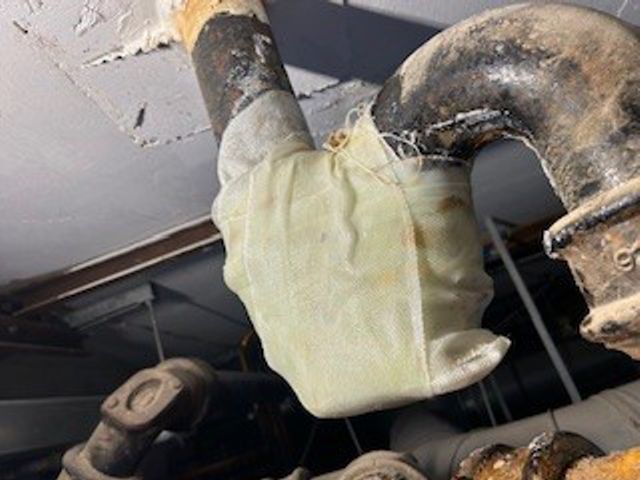
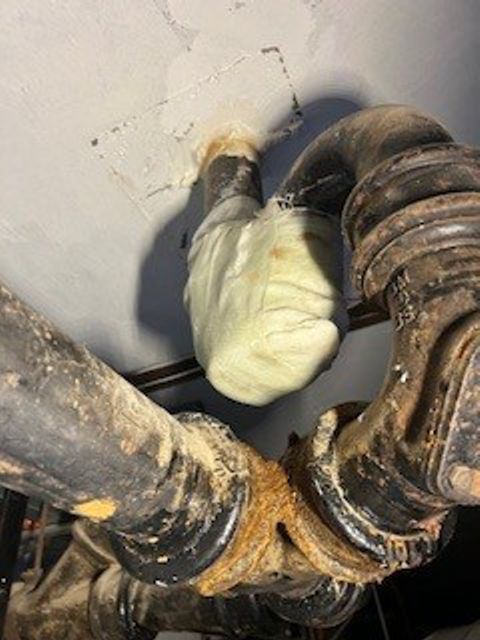
From the top of a ladder, a maintenance worker makes a repair in under 15 minutes to a hairline crack in a cast iron waste pipe U-bend within a cramped roof space above a hospital corridor.

Case Study Data


Site
Hospital
Location
United Kingdom
Repair Type
No pressure pipe repair
Defect
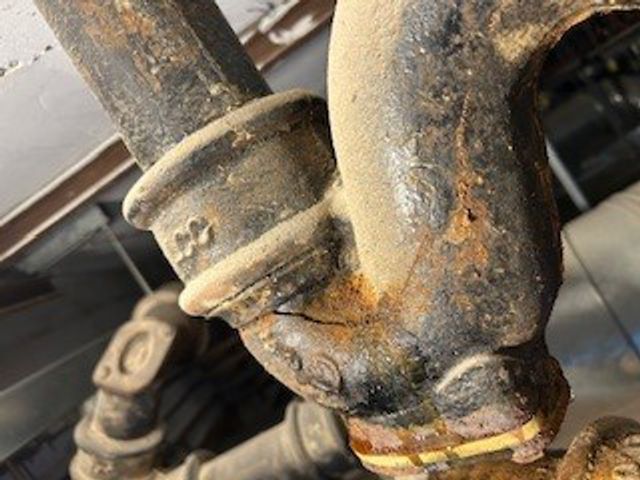
Hairline crack in cast iron waste pipe U-bend

Products Used


CrackSeal Pipe Sealant
Sealant extruded directly into cracks in cast iron pipework, where it hardens almost instantly to fill the damage

SylWrap HD Pipe Repair Bandage
Composite repair wrap with water activated resin sets rock hard to create a reinforced sleeve around pipework

SylWrap Drain & Waste Pipe Repair Kit
Specialist Kit containing products for repairing low-pressure cast iron and plastic waste, sewer and drain pipes

Case Study PDF


Case Study Details


Damp patches were noticed in ceiling tiles above a busy corridor in the hospital. A maintenance worker climbed up a ladder, removed the tiles and accessed the roof space above to investigate.

They found a complex network of cast iron pipework. One of these pipes came down through the ceiling, into a U-bend followed by a 90-degree elbow before connecting with two other waste pipes via a Y-joint.

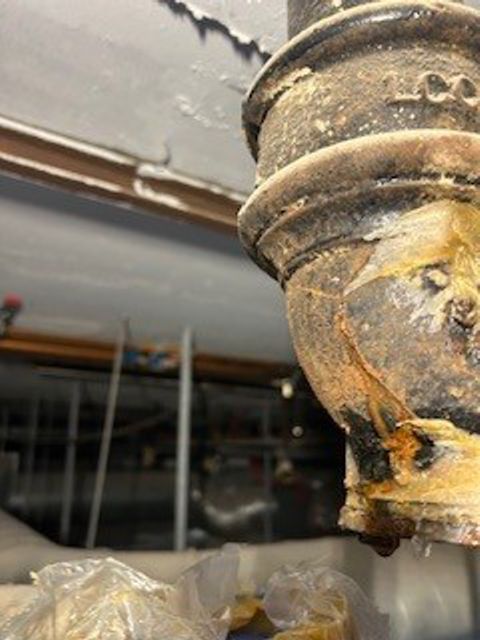
The problem was found to be a hairline crack across the U-bend located directly above the Y-joint. Wastewater was seeping through this crack, corroding the three pipes at the Y-joint where they met below and dripping further down to discolour and damage the ceiling tiles.

To replace the cracked U-bend, every pipe connected to it – including the Y-joint – would have needed to be removed to gain enough access.

The cash-strapped NHS trust responsible for the hospital could not afford the cost of effectively taking the entire system out of operation.

Research by the maintenance team led them to the SylWrap Drain & Waste Pipe Repair Kit, which is already used by several NHS trusts in England for making fast, straightforward and cost-effective repairs to leaking cast iron and plastic pipework on their estates.

All the products in the Drain & Waste Kit are lightweight enough to be applied from the top of a ladder. The repair started by using CrackSeal Pipe Sealant to fill the crack in the U-bend.

Using a standard sealant gun, CrackSeal was extruded directly into the crack. As a moisture curing sealant, it began to harden almost instantly. Within 10 minutes, it had formed a skin to leave the pipe fully sealed.

CrackSeal was then reinforced using SylWrap HD Pipe Repair Bandage. Although the U-bend was a difficult geometry to wrap the bandage around, the worker managed to apply it effectively.

The resin in SylWrap was activated using water and the bandage wrapped and smoothed around the U-bend. Once the U-bend was covered, wrapping continued vertically to cocoon the entire repair area.

SylWrap set rock-hard within minutes of application, providing the entire leak area with an impact-resistant protective sleeve capable of containing any future leaks should the weakened U-bend become breached in future.

The worker completed the cast iron U-bend repair in under 15 minutes and with little disruption to the hospital, other than the corridor being out of use whilst they were up the ladder.

With the Drain & Waste Pipe Repair Kit containing enough products to seal multiple cracks and holes in different types of pipework, the hospital now have CrackSeal, Superfast Steel Epoxy Putty, SplitFill Epoxy Adhesive and SylWrap HD Bandages on-site in an easy-to-store case for use when future leaks occur.

If you have an application you would like to enquire about, then please get in touch

Call: +44 (0)1444 831 459
Email: sales@sylmasta.com
Posted on

Case Study: Complex in UAE Approves SylWrap for Chilled Water System ABS Pipe Repair

An ABS pipe leaking at a joint undergoes repair to show SylWrap is effective in chilled water cooling systems

Keeping cool under pressure – SylWrap passes testing for repair of chilled water system ABS pipe joints

Superfast Aqua PW Epoxy Putty and SylWrap HD Pipe Repair Bandage undergo rigorous pressure testing by an engineering company to receive approval for use sealing ABS pipe joints in a chilled water cooling system at a luxury complex in the UAE.

Case Study Data


Site
Luxury complex
Location
United Arab Emirates
Repair Type
No pressure pipe repair
Defect
Leaking ABS pipe flange in chilled water cooling system

Products Used


Superfast Aqua PW Epoxy Putty Stick
Epoxy putty with specialist high underwater adhesion formulation for sealing pipes when the surface is wet

SylWrap HD Pipe Repair Bandage
Composite wrap cures to form a thickened, reinforced layer which restores pipework integrity

Case Study PDF


Case Study Details


Chilled water and district cooling systems are used throughout the United Arab Emirates to provide an energy efficient method of air conditioning.

Water is stored and cooled in a central plant. It is then pumped around buildings, complexes and even entire districts via vast pipe networks operating at between 5 and 7 bar pressure.

Some of these systems provide air conditioning to hundreds of different homes and workplaces from a large-scale plant. The Empower Business Bay plant in Dubai for example serves 188 multi-use buildings and skyscrapers. Future expansion is planned to take that number over 300.

Other leisure complexes and skyscrapers have private chilled water systems, supplying air conditioning for their own facilities. This is the case with the Burj Khalifa, which has 34 kilometres of pipework circulating cooled water around the 830-metre tall building.

Sylmasta were contacted by an engineering company responsible for a private chilled water system at a luxurious complex containing over 500 apartments, a leisure centre, shops, restaurants and a 5-star hotel.

They were looking for a quick and straightforward repair method for sealing any leaking joints in the ABS pipe network which pumped cooled water around the complex. Rapid response time was essential to ensure the efficiency of the air conditioning system.

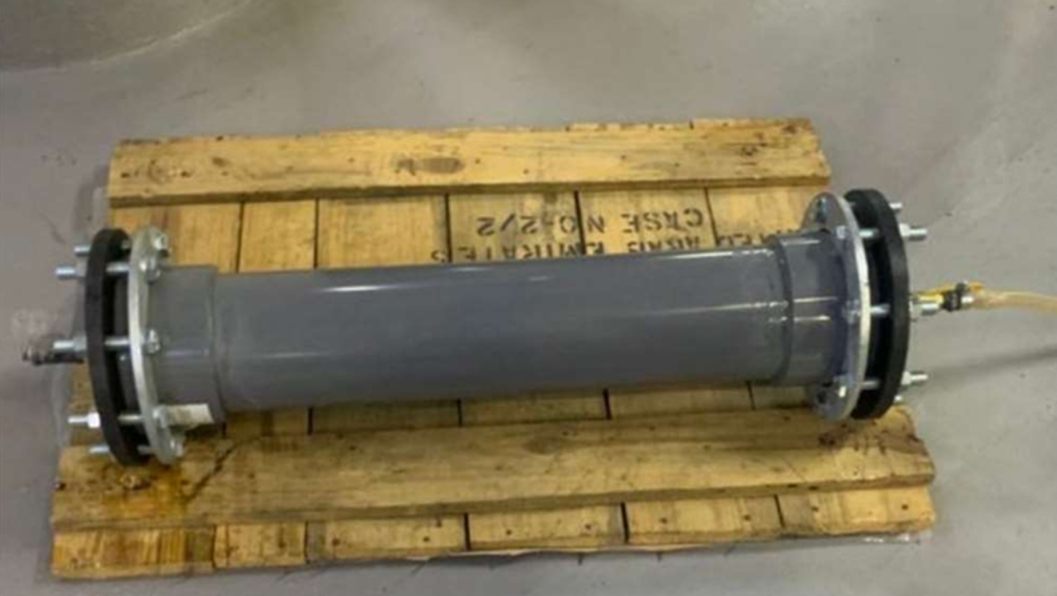
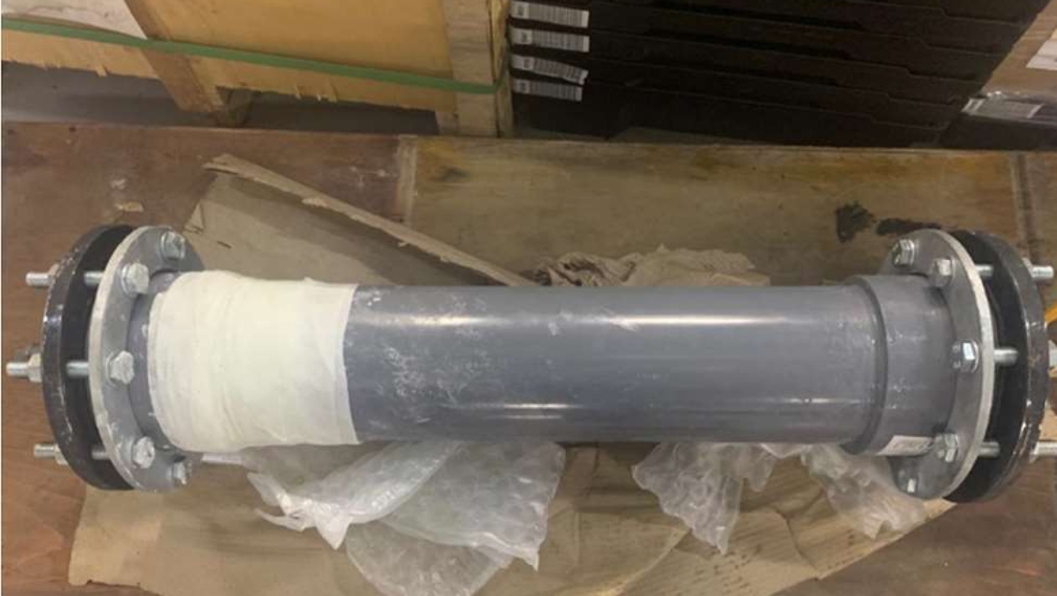
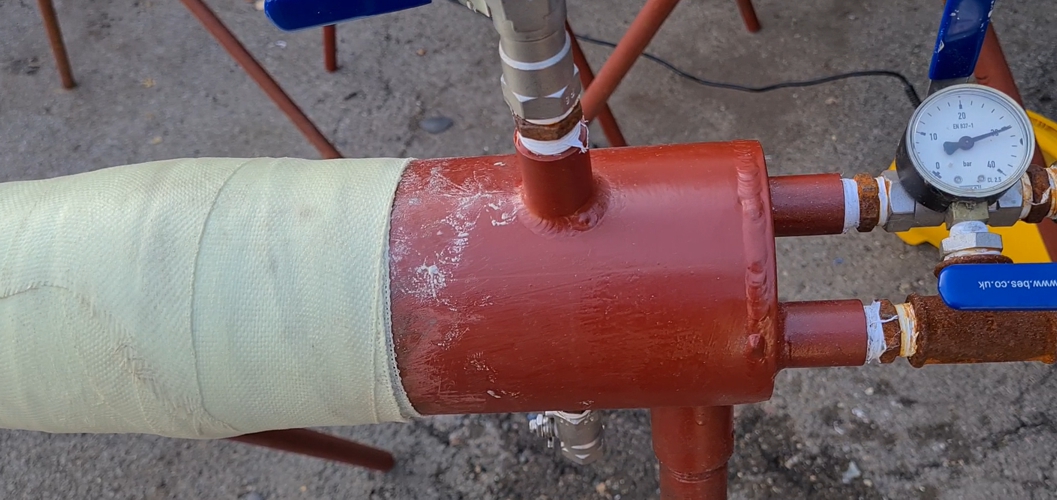
An engineering company in the UAE build an ABS pipe rig to test SylWrap for the repair of chilled water cooling pipes in the UAE
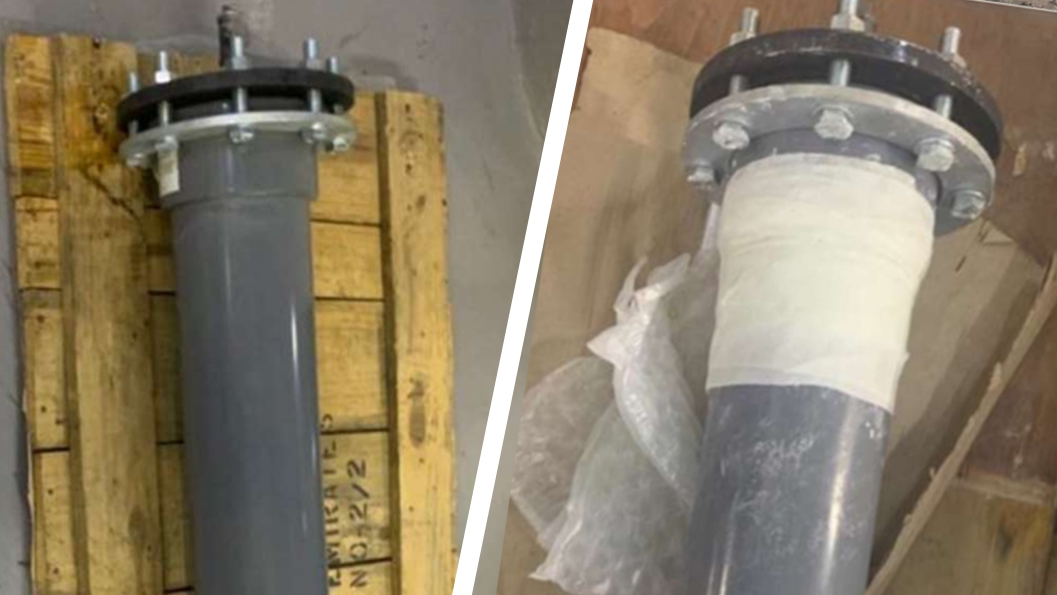
The engineering company built several ABS pipe test rigs with an intentionally weakened flange end for repair using Superfast Aqua PW and SylWrap HD

To evaluate Sylmasta products, the company built several test rigs with 50mm, 100mm and 150mm ABS pipes. Each rig was one-metre long and connected with stub flange sets and MS end flanges.

One side of the flange ends was made intentionally weak so that it would begin leaking when pressure was increased. The pipe was filled with water through a valve. Once it was full, pressure was applied.

At 4 bar, a leak was noticed at the weakened flange end. The area was instantly cleaned and then sealed using Superfast Aqua PW Epoxy Putty. Aqua PW was chosen for its high underwater adhesion properties, enabling it to bond to the ABS even though the pipe surface was wet.

Enough putty was cut from the stick for application all around the weak flange plate. The putty was kneaded by hand and applied to the pipe whilst still soft. Within 20 minutes, it cured to form a rock-hard, waterproof material permanently bonded to the ABS and covering all leak spots to restore pipeline integrity.

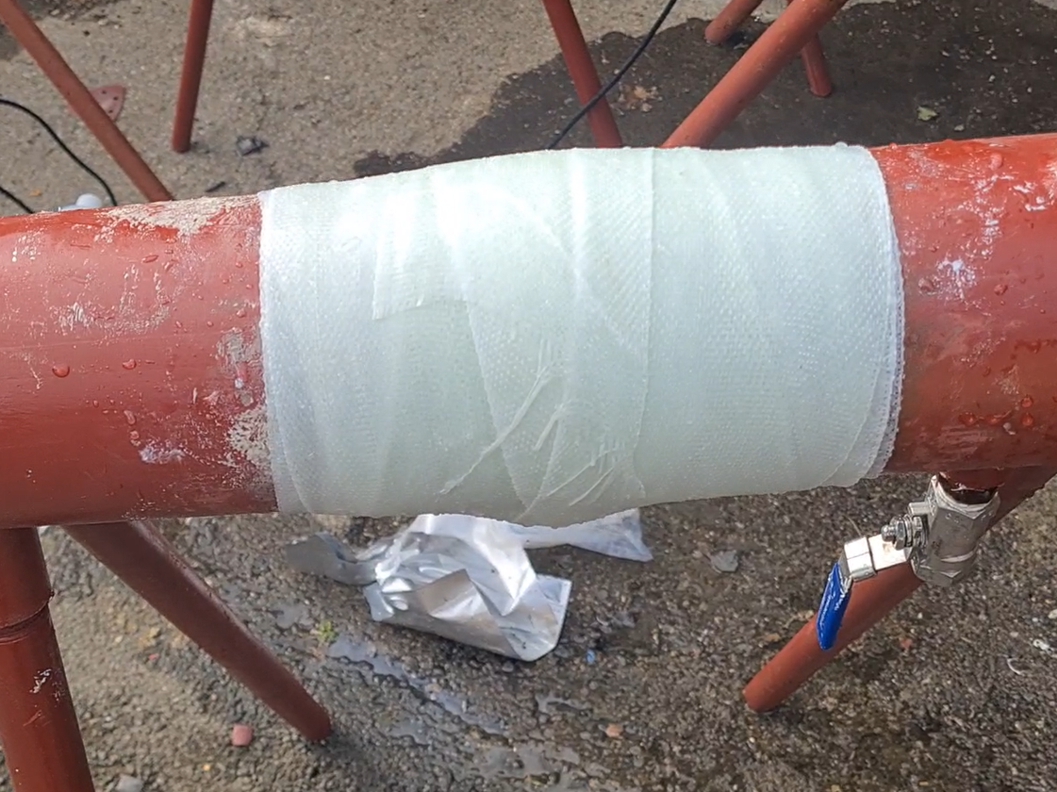
SylWrap HD Pipe Repair Bandage applied to an ABS pipe identical to those found in chilled water cooling systems in UAE
SylWrap HD was wrapped over a 250mm section of pipe either side of where the flange was leaking through

SylWrap HD Pipe Repair Bandage was then wrapped over a 250mm section of the pipe either side of the leak. It cured to create a thickened, impact-resistant sleeve around the leak, further enhancing the seal provided by Superfast Aqua PW.

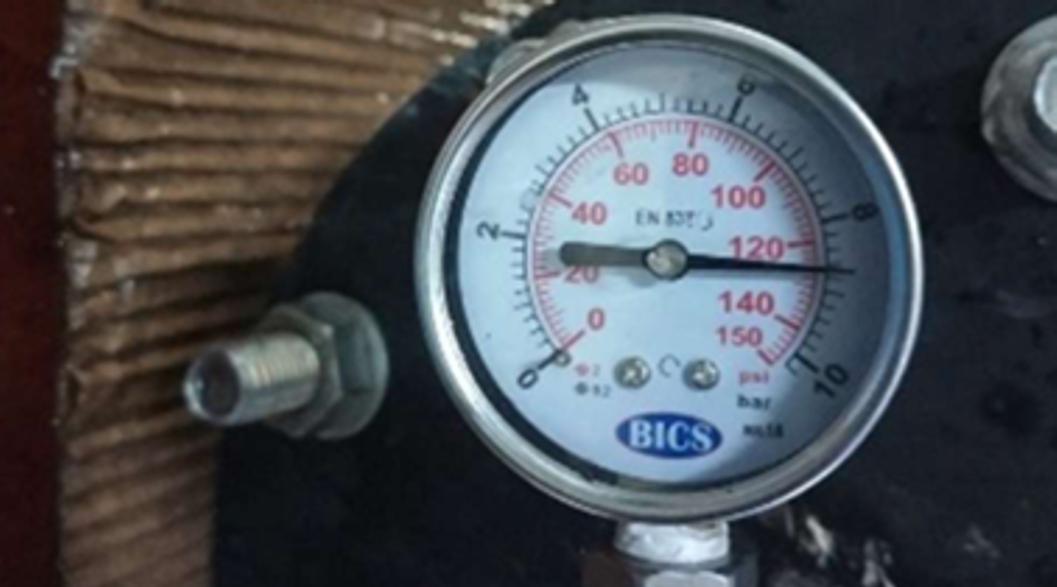
The repair was left for 90 minutes to reach working strength and then pressure tested. Pressure was gradually increased towards 8 bar, reflecting the maximum the chilled water system at the complex reached.

Throughout each of the three pressure tests to the different sized rigs, the gauge was monitored for any significant drops or irregular fluctuations.

Once 8 bar had been exceeded, the repair was left for 18 hours. When the pipe was inspected again, there were no visible cracks, leaks, deformations or signs of damage.

The repair successfully held over 8 bar pressure for 18 hours

Based on the visual inspection and pressure test results, the engineering company concluded the SylWrap repair to have successfully restored the functionality and integrity of the ABS pipe.

In their report compiled after all 50mm, 100mm and 150mm tests had been completed, the company wrote: “The repair material was applied correctly and adhered well to the pipe surface.”

“The pressure test demonstrated the repair’s ability to withstand the specified pressure without any signs of leakage, failure, or abnormal pressure fluctuations.”

“We therefore consider this repair a suitable solution for any leakage on ABS pipes in chilled water cooling systems.”

If you have an application you would like to enquire about, then please get in touch

Call: +44 (0)1444 831 459
Email: sales@sylmasta.com
Posted on

Case Study: Repair of Underground Clay Drainage Pipe Cracked During Building Work

A cracked underground clay drainage pipe undergoes repair using a SylWrap Standard Pipe Repair Kit

An underground clay pipe repair prevents a home drainage system going to pot

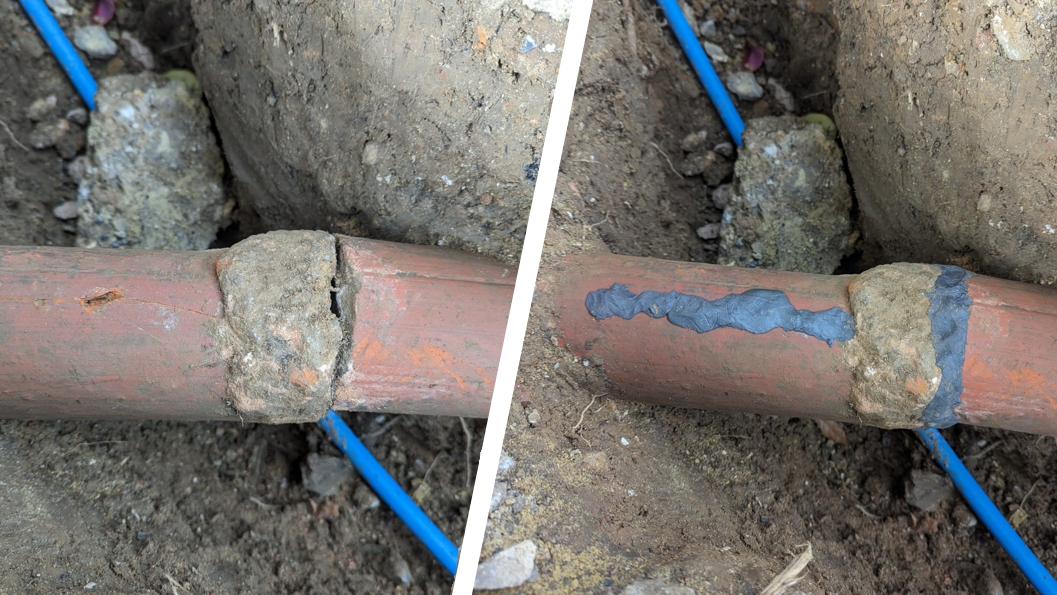
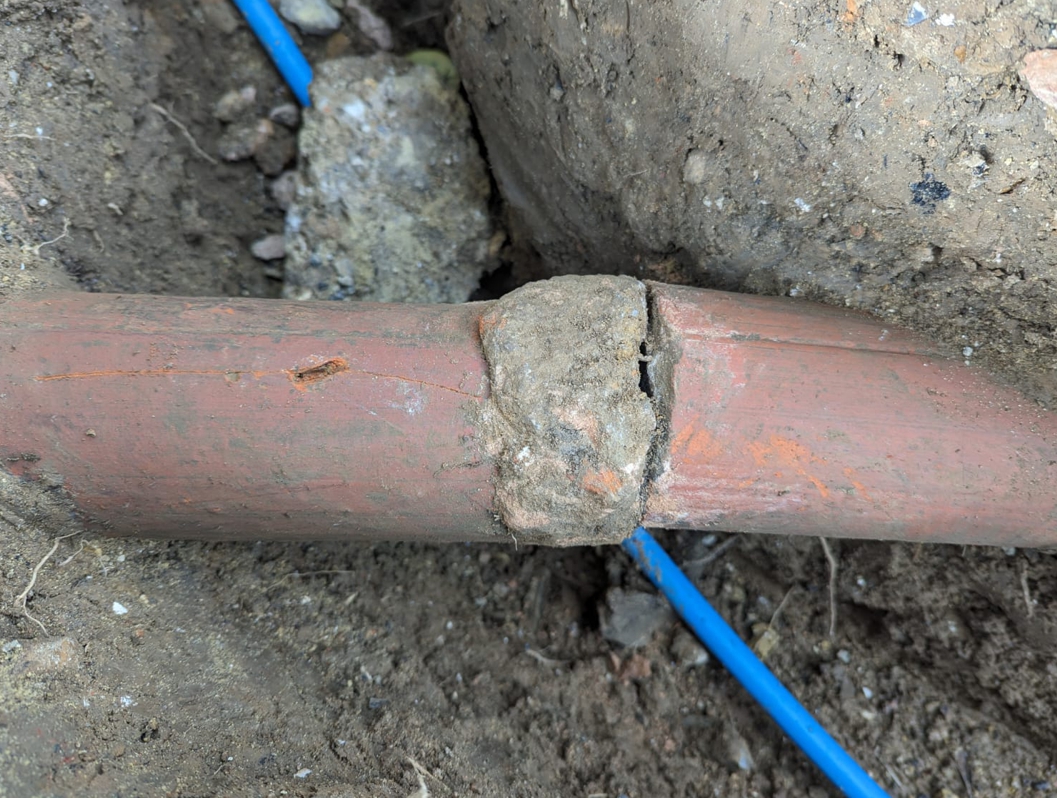
Accidental impact and ground movement during building work left an underground 100mm clay drainage pipe with two cracks requiring repair, one of which was severe enough to almost split the pipe into two separate parts.

Case Study Data


Site
Domestic property
Location
United Kingdom
Repair Type
No pressure pipe repair
Defect
Two cracks in underground 100mm clay drainage pipe

Products Used


Superfast Steel Epoxy Putty Stick
Fast working steel epoxy putty which sets rock hard inside cracks and holes, sealing leaks

SylWrap HD Pipe Repair Bandage
Composite wrap reinforced the repair with a rock hard sleeve which also helped hold the pipe back together

SylWrap Standard Pipe Repair Kit
Superfast Epoxy and SylWrap HD are supplied together in the Standard Pipe Repair Kit

Case Study PDF


Case Study Details


Clay was a popular material for drainage pipes in the United Kingdom from the early 20th century until the 1970s, when plastic became more widely used due to being easier and cheaper to fabricate and install.

High resistance to corrosion and chemical degradation gives clay extreme durability and longevity, with an estimated lifespan of anywhere between 60 and 100 years. This means many UK homes built before the 1970s are still serviced by working clay pipes.

One weakness of clay pipes, however, is they are susceptible to damage from root ingress and ground movement – which often only becomes obvious when a patch of ground becomes noticeably waterlogged from an underground leak.

A homeowner was carrying out building works when an area of their garden began suffering from this problem. After digging down, they discovered a dislodged 100mm clay pipe with two areas of significant damage.

The first and most severe was a crack next to a junction almost splitting the pipe into separate parts. The junction and uneven surface meant it would not be possible to reassemble the pipe using a repair clamp.

Across the top of the pipe was a hairline crack, representing the second damaged area. There was no pressure and the homeowner was keen to avoid the cost and disruption which would come with replacing the pipe.

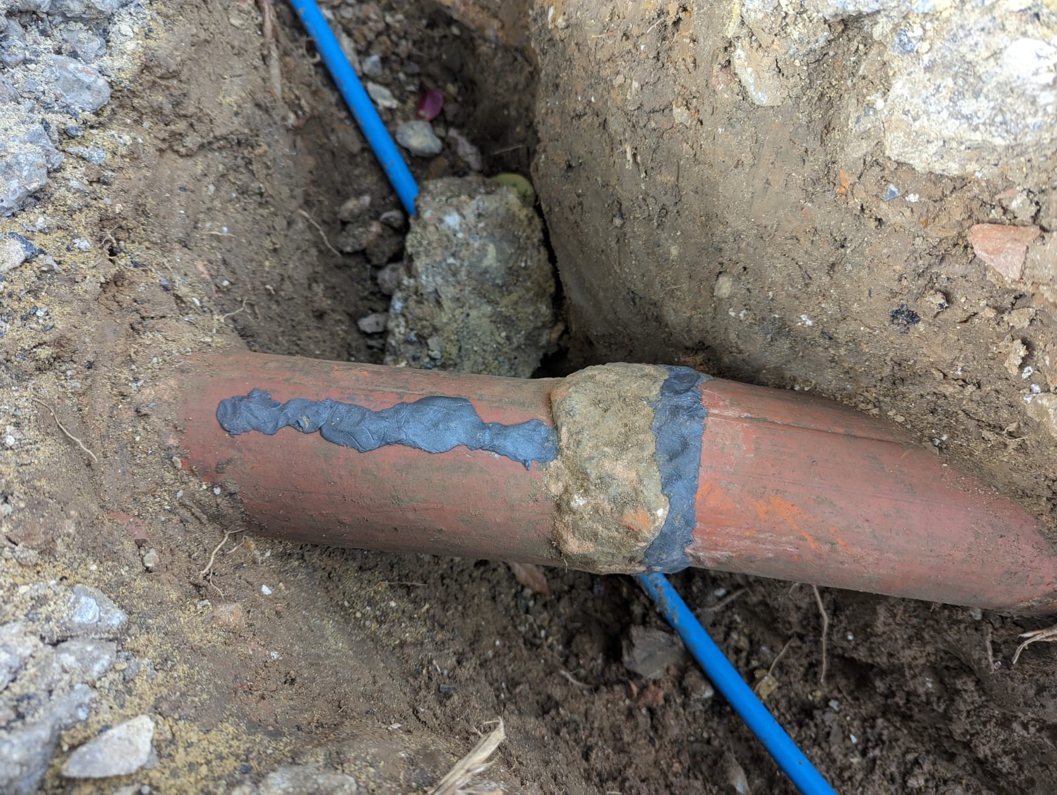
They therefore used a SYL-412-NP SylWrap Standard Pipe Repair Kit to seal the leaks and attach the pipe back together. Before the repair, enough room was dug out underneath the pipe to allow clearance for it to be wrapped.

The two cracks were then filled with Superfast Steel Epoxy Putty. Enough putty was first mixed by hand to cover the hairline crack. It was then pushed firmly down across the top of the pipe, curing within five minutes to form a rock hard material covering the leak.

For the larger crack, more putty was mixed and forced into the gap between the two sections of pipe. Once it had set, Superfast Steel bridged the crack with a watertight material bonded to both pieces.

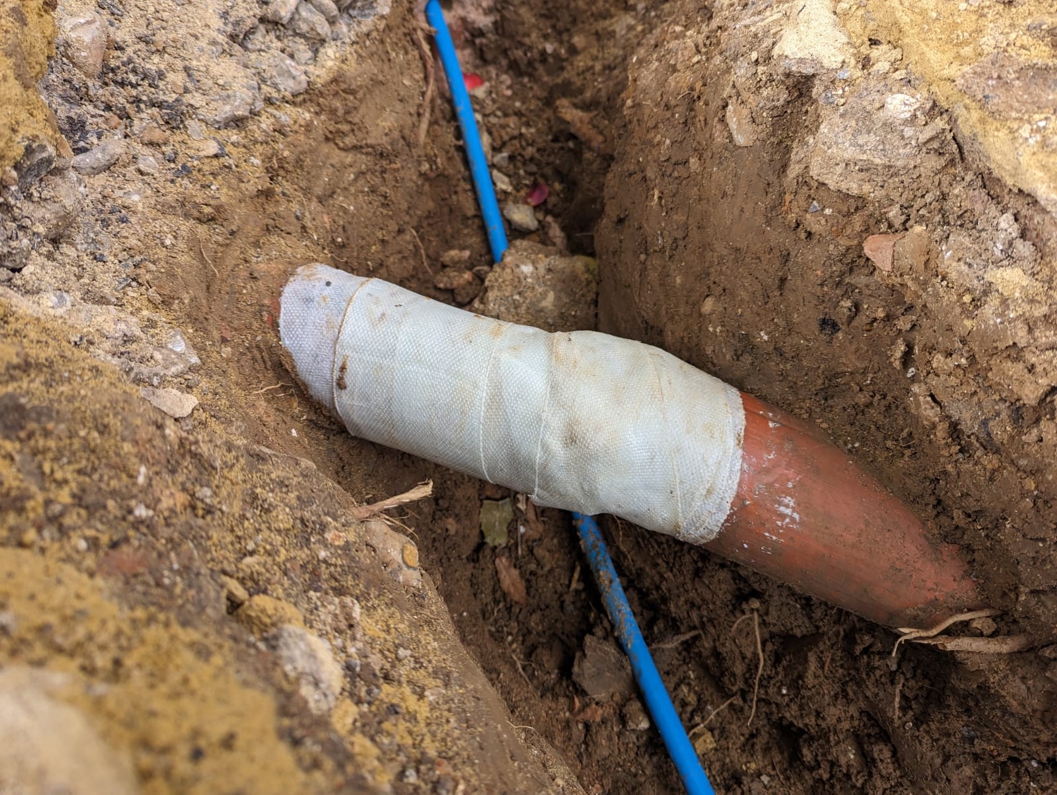
The pipe was then overwrapped with SylWrap HD Pipe Repair Bandage. The fast-working resin in SylWrap HD was activated with water and the bandage wrapped along the entire length of the exposed pipe.

SylWrap HD cured to form a rock-hard, impact resistant protective shell. It reinforced the repair and helped hold the two broken pieces of clay pipe back together.

The homeowner said afterwards that the repair worked perfectly and that the product was great. Completing the repair took under 30 minutes and cost less than £50, representing a huge saving compared with removing the pipe and installing a replacement.

With many clay pipes installed before the 1970s now beginning to reach the end of their natural lifespan, repairs such as this are set to become more common in the UK over the coming years.

If you have an application you would like to enquire about, then please get in touch

Call: +44 (0)1444 831 459
Email: sales@sylmasta.com
Posted on

Case Study: SylWrap Leak Repair Passes ASME PCC-2 402-III Qualification Standard

Superfast Aqua PW Epoxy Putty and SylWrap HD Pipe Repair Bandage are successfully tested to be ASME PCC-2 402-III compliant

Leak repair made using Sylmasta products withstands 30 bar pressure in qualification tests for ASME PCC-2 402-III

Superfast Aqua PW Epoxy Putty and SylWrap HD Pipe Repair Bandage make a leak repair qualified to ASME PCC-2 Appendix 402-III – Validation for Repair of Leaking Component by withstanding 30 bar pressure in multiple tests.

Case Study Data


Site
Sylmasta HQ
Location
United Kingdom
Repair Type
Leak repair
Defect
25mm hole in 110mm diameter carbon steel pipe

Products Used


Superfast Aqua PW Epoxy Putty
Fast working epoxy putty which bonds to wet surfaces with WRAS approval for sealing holes and cracks in pipes

SylWrap HD Pipe Repair Bandage
Composite repair wrap with water activated resin sets rock hard to reinforce pipework with a thickened, impact resistant sleeve

Case Study PDF


Case Study Details


ASME PCC-2 Appendix 402-III – Validation for Repair of Leaking Component is a test which assesses the ability of a composite pipe repair system for sealing leaking pipes, tanks and vessels containing non-hazardous fluids operating below 10 bar.

To qualify for ASME PCC-2 402-III, a repair must successfully seal a leaking pipe which has been fully breached, restore pressure-retaining capability to the line and show it will not degrade or be compromised over time under service conditions.

It is a standard widely used across many industries – such as water utilities – to give confidence that repairs on the public supply network will be strong and long-lasting.

ASME PCC-2 402-III is also applicable to other industries where high-pressure water pipes are used – such as desalination plants and cooling systems at oil refineries, power stations and food and beverage production.

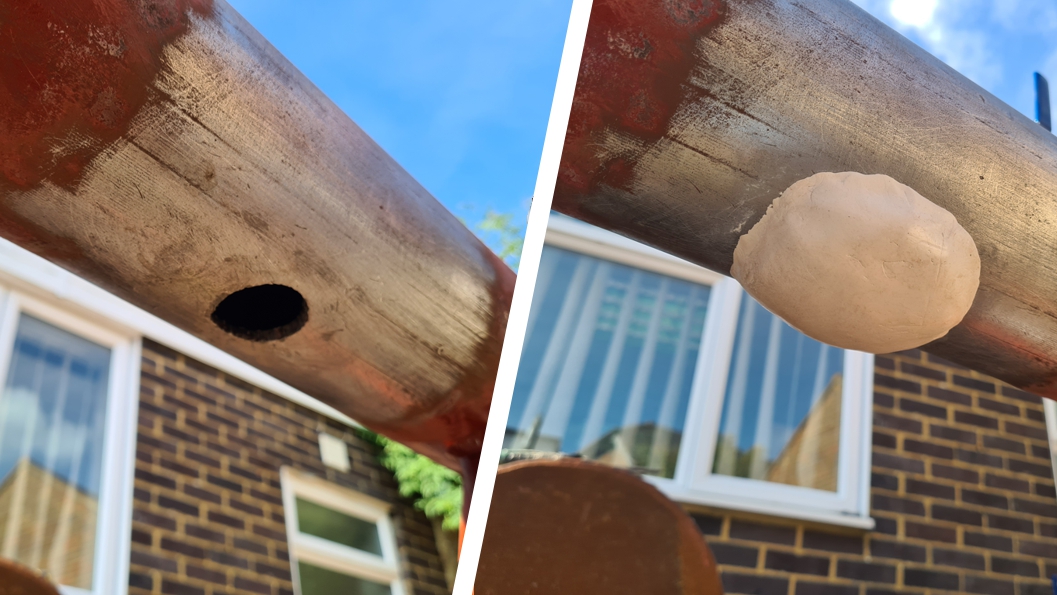
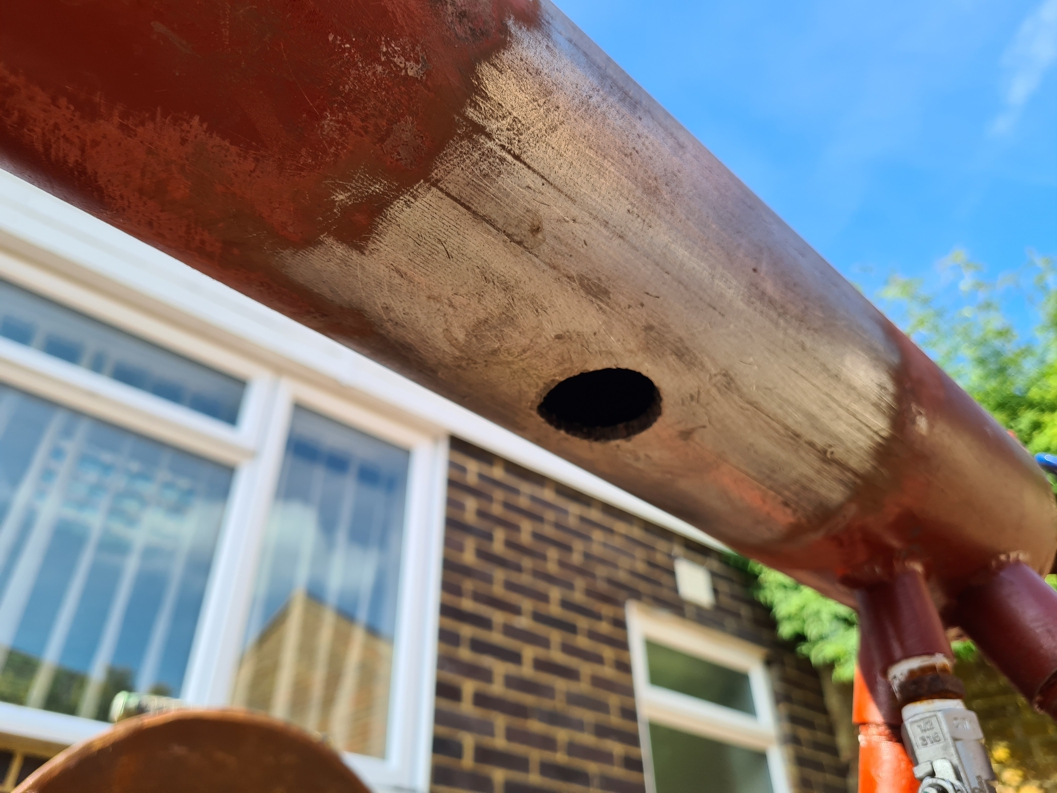
Testing took place at Sylmasta HQ in the United Kingdom. A 25mm hole was cut into a 110mm diameter carbon steel pipe. The leak needed to be sealed before being subjected to three separate pressure tests up to 30 bar.

Superfast Aqua PW Epoxy Putty was used to plug the hole in the pipe. To improve adhesion, the pipe was abraded first. This removed any traces of rust, dirt or grime. It also created a textured surface for the repair to grip onto.

The putty was mixed by hand and formed into a disc around 75mm in diameter, ensuring total coverage of the leak. It was placed over the hole and pushed firmly down onto the pipe for maximum contact.

At the edges, the putty was smoothed off using a little water to remove any step from the surface. It was allowed to cure for around 10 minutes until gelled but not hardened.

SylWrap HD Pipe Repair Bandage was then used to reinforce Superfast Aqua PW. The composite repair wrap was activated with water and applied over an area approximately 225mm, with the leak at its centre.

As SylWrap HD was wrapped and smoothed over the putty, it helped force Superfast Aqua PW further into the hole for a more effective seal. SylWrap HD set rock hard within minutes, curing to form a thick, rock hard, impact-resistant sleeve around the pipe.

The repair was left for 24 hours to achieve maximum properties before pressure testing. This involved increasing pressure through the pipe at a steady rate for more than 30 seconds until 30 bar was reached.

After 60 seconds of the pipe being pressurised at 30 bar, the repair was inspected for any visible leakage. This test was carried out on three separate occasions.

With no leak or defect detected during any of the three pressure tests, repairs made using Superfast Epoxy Putty and SylWrap HD are qualified to meet ASME PCC-2 402-III standard.

In addition to qualifying for ASME PCC-2-402-III, Superfast Aqua PW and SylWrap HD both have WRAS approval – meaning they are certified as safe for use on pipes and fittings carrying drinking water.

For repairs to be fully ASME PCC-2 402-III compliant, installers must undergo training and certification on using Sylmasta products for leaking pipe repair. To find out more, please email sales@sylmasta.com

If you have an application you would like to enquire about, then please get in touch

Call: +44 (0)1444 831 459
Email: sales@sylmasta.com
Posted on

Case Study: SylWrap Pipe Repair Passes ASME PCC-2 401-III Qualification Standard

Industrial Metal and SylWrap HD Bandage pass PCC-2 401-III qualification testing in a repair on a high temperature steel pipe

Composite pipe repair using Sylmasta products exceeds 309.6 bar pressure resistance to qualify for ASME PCC-2 401-III

SylWrap HD Pipe Repair Bandage and Industrial Metal Epoxy Paste make a repair independently witnessed and verified as passing ASME PCC-2 Appendix 401-III – Short Term Spool Survival standard by exceeding 309.6 bar pressure resistance.

Case Study Data


Site
Test site
Location
United Kingdom
Repair Type
Composite pipe repair pressure test
Defect
Carbon steel pipe machined back to 1mm outer wall thickness

Products Used


Industrial Metal Epoxy Paste
Metal filled epoxy paste used to strengthen pipelines by rebuilding weakened outer walls back towards original thickness

SylWrap HD Pipe Repair Bandage
Composite repair wrap with water activated resin sets rock hard to reinforce pipework with a thickened, impact resistant sleeve

Case Study PDF


Case Study Details


ASME PCC-2 Appendix 401-III – Short Term Spool Survival is a test which assesses the ability of a composite pipe repair system to restore the integrity of a weakened pipeline back to the strength of the original pipe.

Industries like oil and gas, chemical processing and power generation where high pressure systems and hazardous pipe content are present require pipe repairs to be ASME PCC-2 401-III compliant.

To qualify Sylmasta HD Pipe Repair Bandage and Industrial Metal for ASME PCC-2 401-III standard repairs, Sylmasta carried out a test independently witnessed and verified by a UKAS registered company.

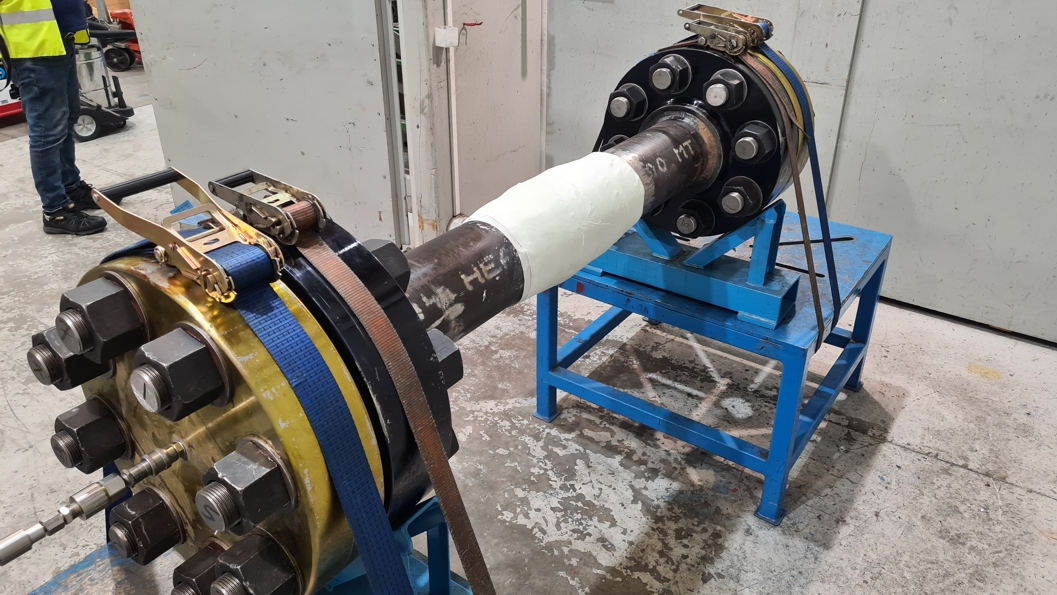
The test was performed on an ASTM A106 Grade B pipe spool. This type of carbon steel pipe is often used in high temperature environments such as steam and gas lines.

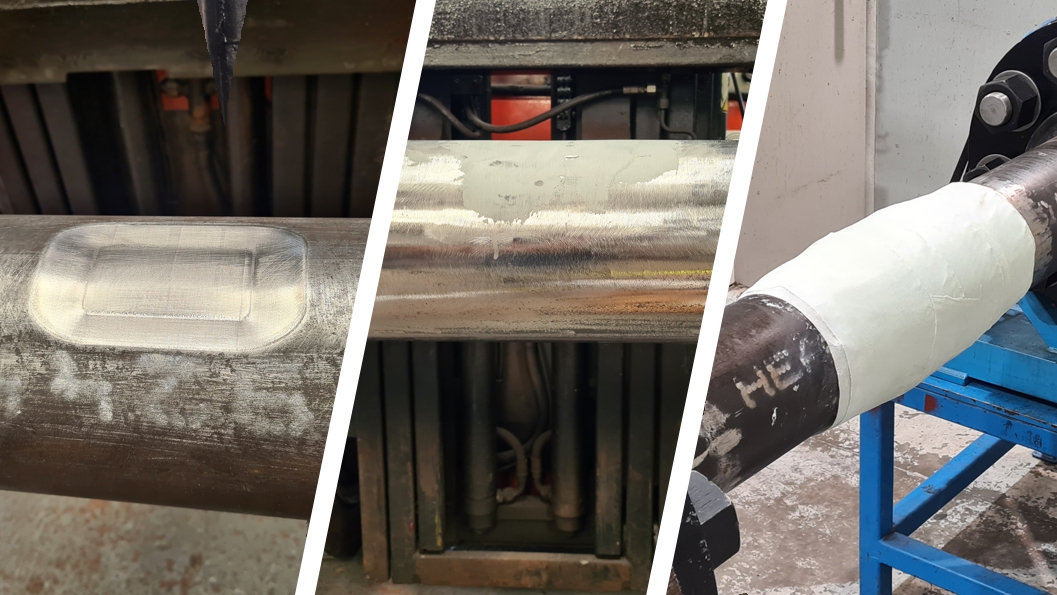
A defect was machined into the spool to reduce wall thickness down to 1mm, accounting for an 86 percent weakening of the pipe.

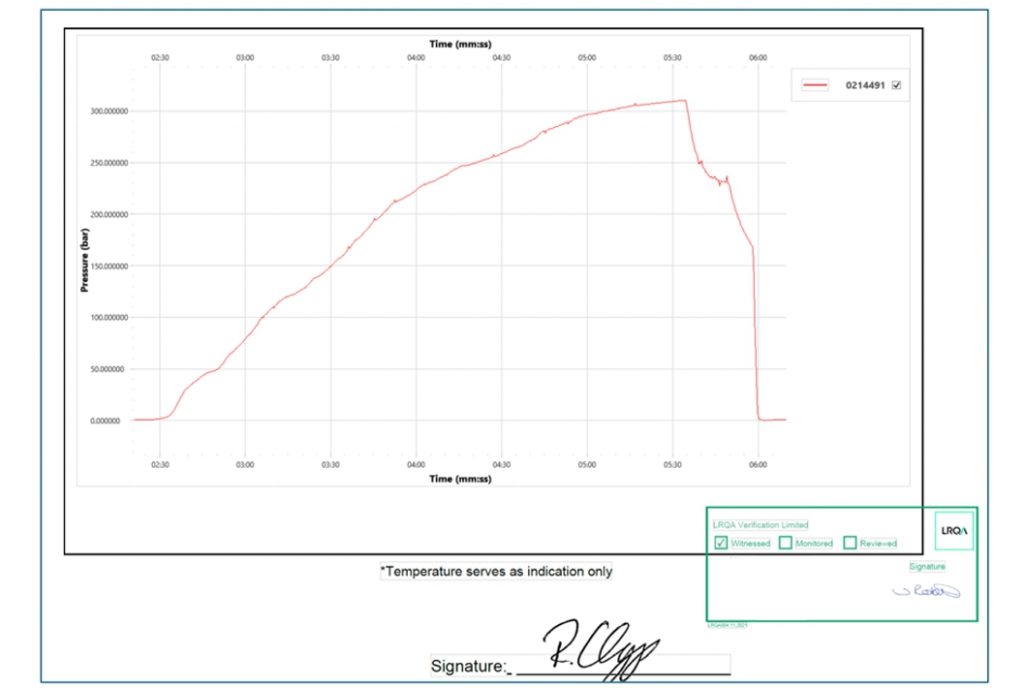
Based on the measured yield strength of the pipe, diameter and original wall thickness, the repair needed to withstand 309.6 bar of pressure to pass the test and certify the materials as PCC-2 401-III compliant.

Before the repair, a flap wheel was used to clean the area back to bare metal. The whole area was then thoroughly cleaned using a solvent degreaser to remove any remaining traces of foreign substances.

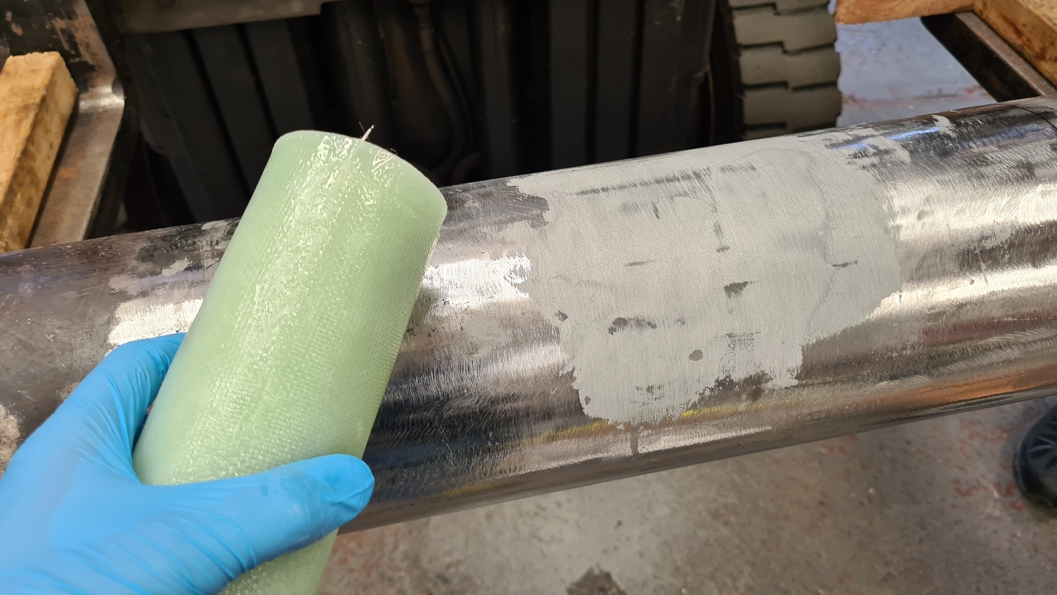
Industrial Metal Epoxy Paste was used to fill in the defect. It rebuilt the pipe wall back towards original thickness, and acted as a load transfer medium between the pipe spool and SylWrap HD.

The two parts were mixed together until turning a uniform grey colour. Industrial Metal was then applied using a putty knife, ensuring maximum contact between the spool and the epoxy paste.

Industrial Metal was allowed to fully set before the flap wheel was used to smooth the cured material and the area around surrounding it, followed by further cleaning with degreaser.

The Sylmasta Pipe Refurbishment Calculator helped determine the size and number of SylWrap HD Pipe Repair Bandage needed to reinforce the repair so it became strong enough to hold 309.6 bar pressure.

Five SYL633HD Bandages were used for the repair. The fast working, water activated resin began to cure within minutes to form a rock-hard, impact resistant shell.

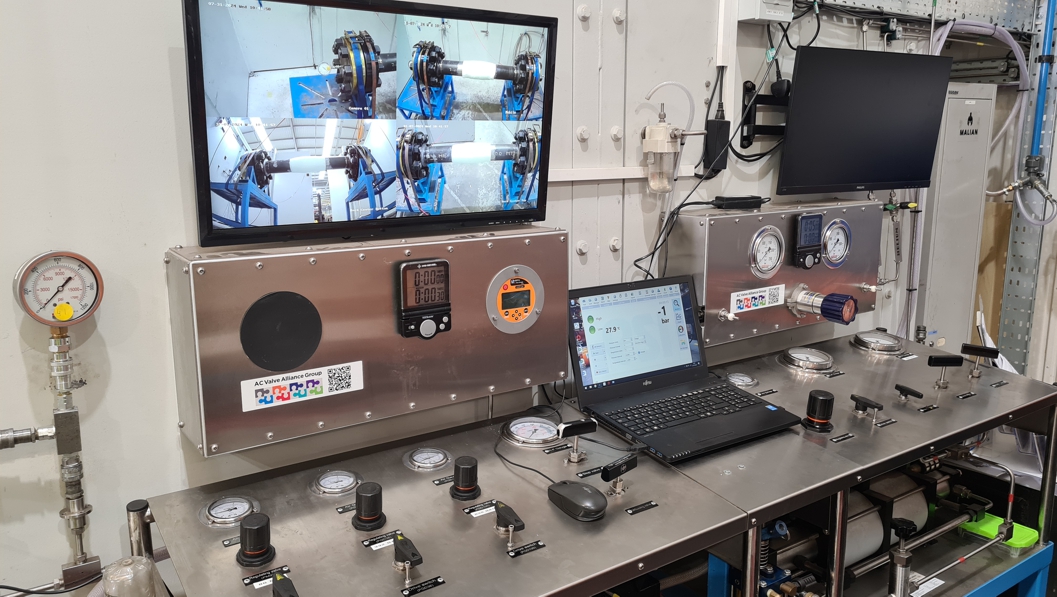
Once SylWrap HD had set, the pipe spool was pressure tested by a UK-based specialist using calibrated and certified pressure gauges. The results were recorded using a data logger.

The repair exceeded the 309.6 bar required to pass PCC-2 401-III, eventually failing when pressure reached 310.29 bar and water began leaking through the edges.

With the test signed off as a success, composite pipe repairs using SylWrap HD and Industrial Metal are qualified to meet ASME PCC-2 401-III standard.

To determine the quantity of Sylmasta materials needed to make a composite pipe repair conforming to PCC-2 401-III standard, please use the ASME PCC-2 Compliant Repair Calculator below.

The calculator serves only as a guide. Judgement should be made on the exact repair based upon all conditions. Please contact Sylmasta for more information or if you need help with a specific application.

If you have an application you would like to enquire about, then please get in touch

Call: +44 (0)1444 831 459
Email: sales@sylmasta.com
Posted on

Case Study: Aluminium Conduit Pipe Carrying Cables Underneath Train Repair

All aboard for the SylWrap HD conduit pipe repair which helped keep a train on the tracks

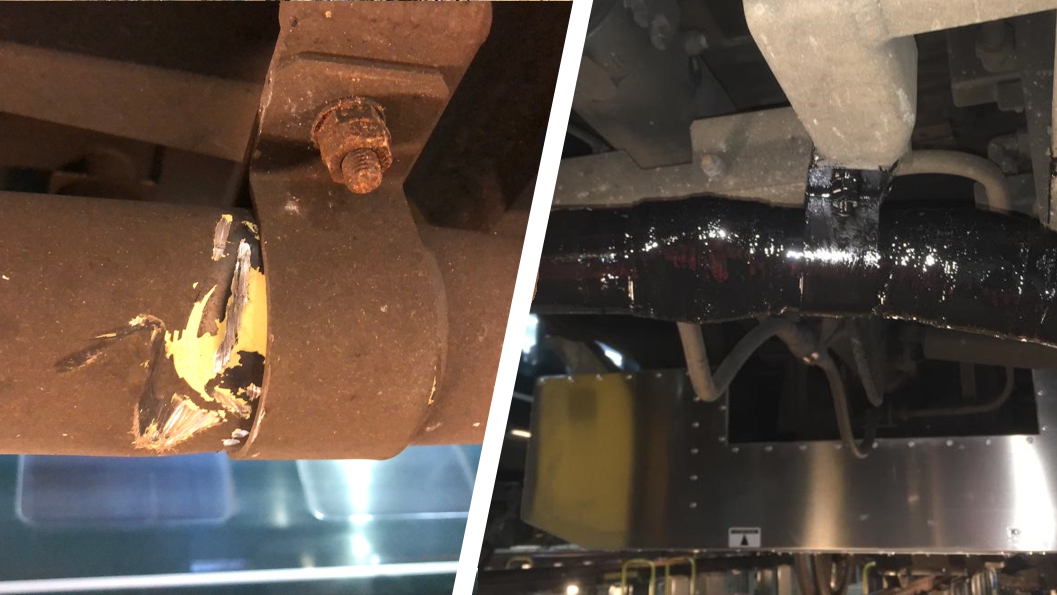
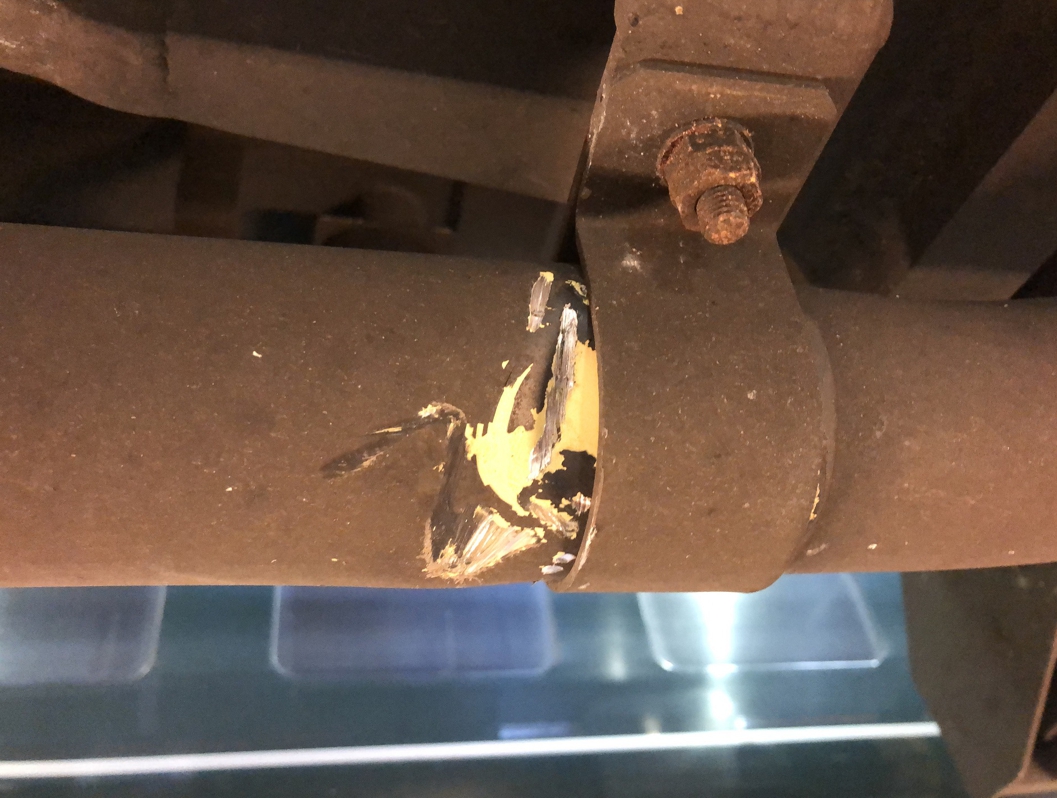
Aluminium conduit pipe carrying cables underneath a train undergoes repair and reinforcement using SylWrap HD Pipe Repair Bandage after stones, ballast and other debris flying up from the railway track bed caused impact damage.

Case Study Data


Site
Railway network
Location
United Kingdom
Repair Type
Conduit pipe repair
Defect
Damaged aluminium conduit pipe carrying electrical cables underneath train

Products Used


SylWrap HD Pipe Repair Bandage
Composite repair wrap with water activated resin encompasses pipes with a rock-hard, impact resistant outer sleeve

Case Study PDF


Case Study Details


The railway network in some areas of the United Kingdom operates a third rail system. Rather than electricity coming from overhead cables, it is supplied to the train from a powered conductor rail on the track bed.

Metal blocks – known as shoegears – underneath the train make contact with the third rail. They take electricity from it, which then flows into the power system of the train through a series of cables also attached underneath.

Sylmasta were approached by a rail operator whose under-train cables were housed in aluminium conduit pipe. When the train hit high speeds on sections of the railway where the ballast track bed was loose, stones were becoming airborne and damaging the pipe.

Over time, this repeated impact caused tears to appear in the aluminium conduit. The cables inside were subsequently left dangerously exposed and at risk of being damaged themselves.

The rail operator was looking to repair the holes in the aluminium and provide better protection from future damage, without having to take the train out of service for a long period of time to replace the entire conduit pipe.

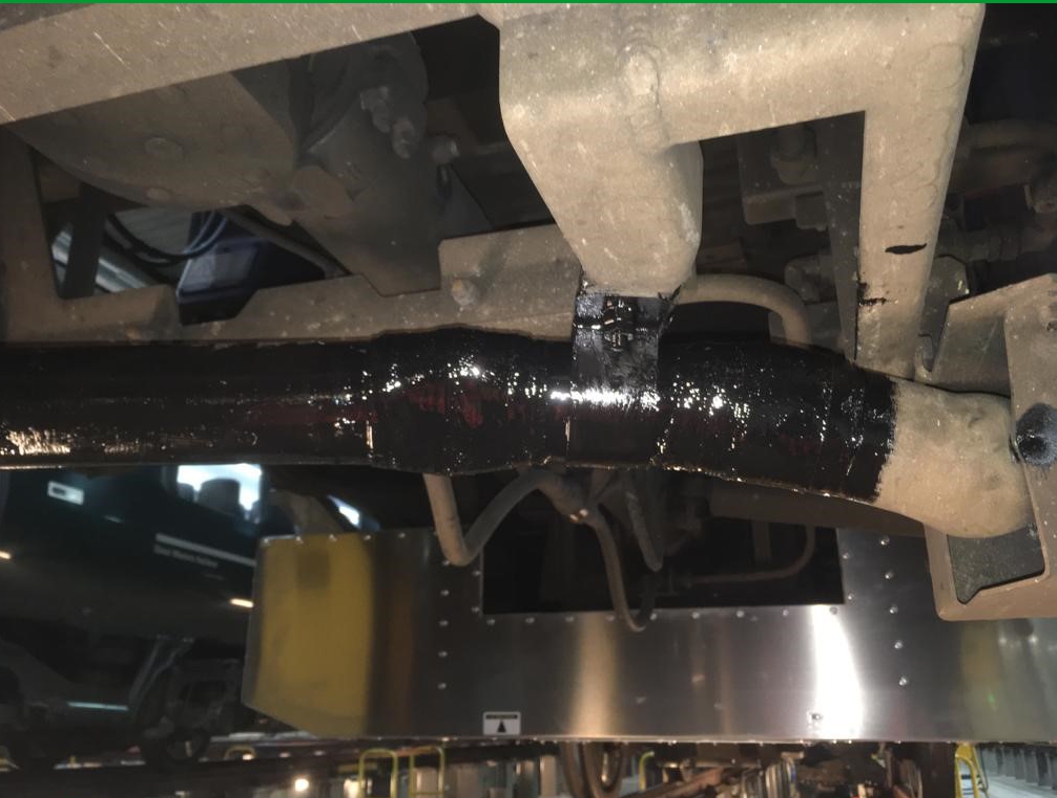
Sylmasta recommended wrapping SylWrap HD Pipe Repair Bandage along the conduit pipe to seal the tears and provide the aluminium with a robust outer casing.

Unlike other suppliers of moisture cured composite wraps who import from Asia or North America, Sylmasta manufacture the SylWrap range of pipe repair bandages at their site in the UK.

It was therefore possible to produce a customised SylWrap HD based on the rail operator’s requirements. Black dye was used, colouring the bandages black instead of the standard white to better disguise the repair.

Additional inhibitors were also added to make the bandages more fire retardant, enabling them to comply with stringent regulations governing materials used on the railway.

Rail workers accessed the bottom of the train and applied eight layers of SylWrap HD to all areas of the conduit pipe requiring repair and protection. The fast-working resin set within minutes, curing to form a rock-hard shell offering total resistance to impact damage.

When stones, ballast and other materials now flew up from the track bed, they would be repelled by SylWrap HD rather than coming into contact with the aluminium conduit pipe.

The repair was completed inside a day and with a huge cost saving compared to replacing the conduit pipe. The train returned to service with the rail operator confident there would be no further damage.

If you have an application you would like to enquire about, then please get in touch

Call: +44 (0)1444 831 459
Email: sales@sylmasta.com
Posted on

Case Study: Repair of Domestic Water Main Pipe Leaking Due to Stone Damage and Corrosion

A heavily corroded and leaking domestic water main supply pipe undergoes repair and refurbishment

Stone the crows – underground domestic water main pipe damaged by corrosion and imbedded stones kept in service thanks to a homeowner DIY repair

A homeowner undertakes a DIY repair and refurbishment of a 2-metre section of domestic water main supply pipe leaking underneath their driveway because of heavy corrosion and surface damage caused by stones.

Case Study Data


Site
Domestic property
Location
Devon, UK
Repair Type
Leak repair and pipe reinforcement
Defect
Water main supply pipe damaged by heavy corrosion and imbedded stones

Products Used


Superfast Aqua PW Epoxy Putty Stick
WRAS approved epoxy putty with excellent wet surface adhesion, used to seal leaks and fill other imperfections in pipework

Liquid Metal Epoxy Coating
Brush applied coating painted onto pipework to form a new, hard wearing, metallic outer surface with high corrosion resistance

SylWrap HD Pipe Repair Bandage
Composite repair wrap with water activated resin encompasses pipes with a rock-hard, impact resistant outer sleeve

Case Study PDF


Case Study Details


Abnormal levels of water use alerted the homeowner to a potential leak somewhere in their supply system. The problem was soon identified to be underneath the front driveway.

Because the leak was in the pipe between the property and the external stop tap connected to the public supply, repair was the responsibility of the homeowner and not their water supplier.

The homeowner excavated the pipe and discovered it to be heavily corroded. Stones were imbedded deeply at various points across the entire 2-metre line, and the metal had been breached and was leaking in multiple places.

Sealing the leaks would therefore not be enough; the homeowner needed to strengthen the pipe to prevent further damage in the future, before it was reburied under the drive.

Water supply was turned off at the external stop tap and the system drained before the domestic water main pipe repair began. The homeowner then set about thoroughly cleaning the pipe as much as possible.

This involved removing dirt, followed by surface corrosion. Next came the challenge of the stones, some of which were imbedded so deep into the pipe as to effectively be welded to the metal.

Many of the stones therefore left craters and severe surface damage in the pipe following their removal. These and the other leak areas identified after excavation were repaired with Superfast Aqua PW Epoxy Putty.

Superfast Aqua PW was chosen for its excellent wet surface adhesion; compensating for the possibility some water may have been left behind when the pipe was drained and could seep from the pipe during repair.
It also has WRAS Approval, meaning it is safe to use on pipes and fittings carrying drinking water. This was an important consideration with the main bringing supplies from the public network into the property.
The putty was kneaded by hand until it turned a uniform white colour. Whilst still soft, it was pushed into all leak holes and craters in the pipe. Within 20 minutes, Superfast Aqua PW had cured to a solid material, filling all damage.

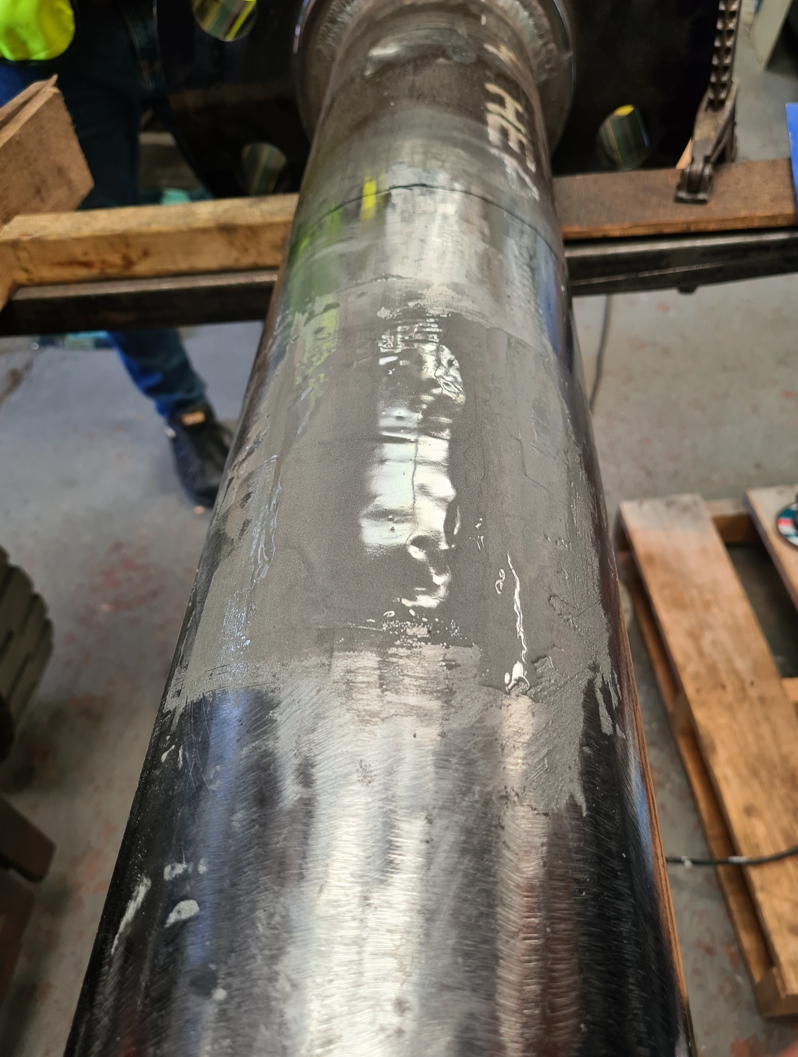
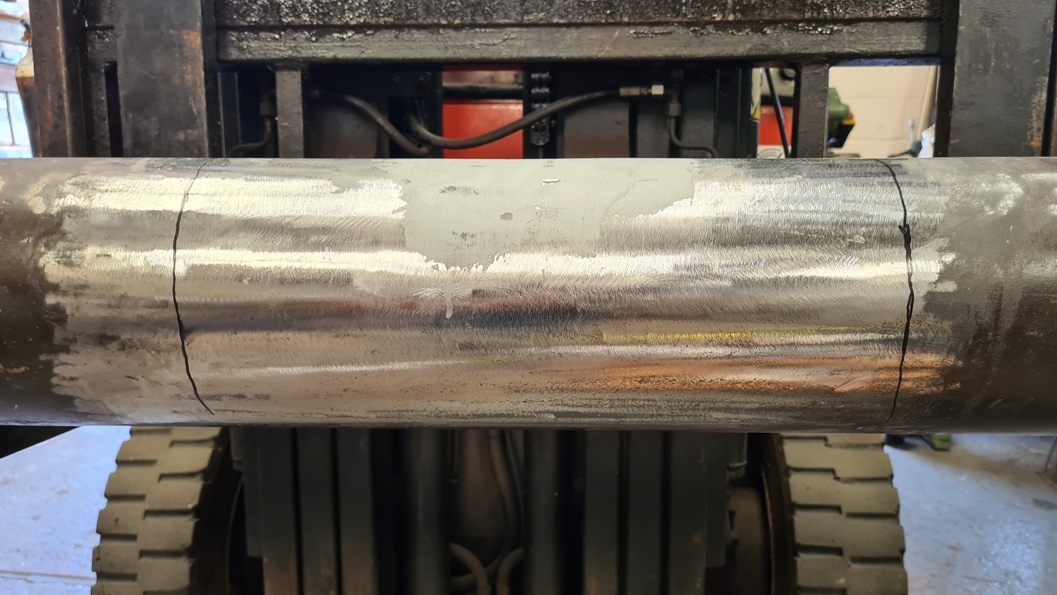
Liquid Metal Epoxy Coating was then used to reinforce and refurbish the brittle steel. The homeowner painted 1kg of Liquid Metal in two coatings over the entire pipe and all joints. It set to form a new smooth, metallic, hard-wearing outer surface as a shield against corrosion.

Further reinforcement was provided by SylWrap HD Pipe Repair Bandage. SylWrap is a composite wrap with a water-activated resin which sets rock-hard in minutes.

Three SYL309HD Bandages were wrapped across the entire 2-metre section, including around a 90-degree elbow and another difficult geometry where the pipe began to climb up a wall.

The application of SylWrap began whilst the final coating of Liquid Metal remained slightly tacky, improving adhesion between the bandage and the pipe surface.

Once cured, SylWrap provided an impact-resistant sleeve around the pipe – preventing any stones from imbedding themselves and penetrating the water main in future.

The homeowner completed the repair over a weekend; one day for cleaning the pipe, removing debris and sealing holes. The second day for the application of Liquid Metal and SylWrap HD Bandage.

Water supply was turned back on to test the main. The combination of Superfast Aqua PW, Liquid Metal and SylWrap HD easily contained pipe content, as well as offering robust protection and a fully refurbished line. The pipe was then reburied.

If you have an application you would like to enquire about, then please get in touch

Call: +44 (0)1444 831 459
Email: sales@sylmasta.com